Bedroom cleaning guide
A bedroom should help you sleep, not quietly run a side business in dust, skin cells, pollen, textile odors, and under-bed fluff. The right bedroom cleaning products make the room calmer, fresher, and easier to maintain. They also help reduce allergens, protect mattresses and textiles, and keep floors clean without turning Sunday into a domestic endurance sport.
Quick Answer: What Cleaning Products Do You Need for a Bedroom?
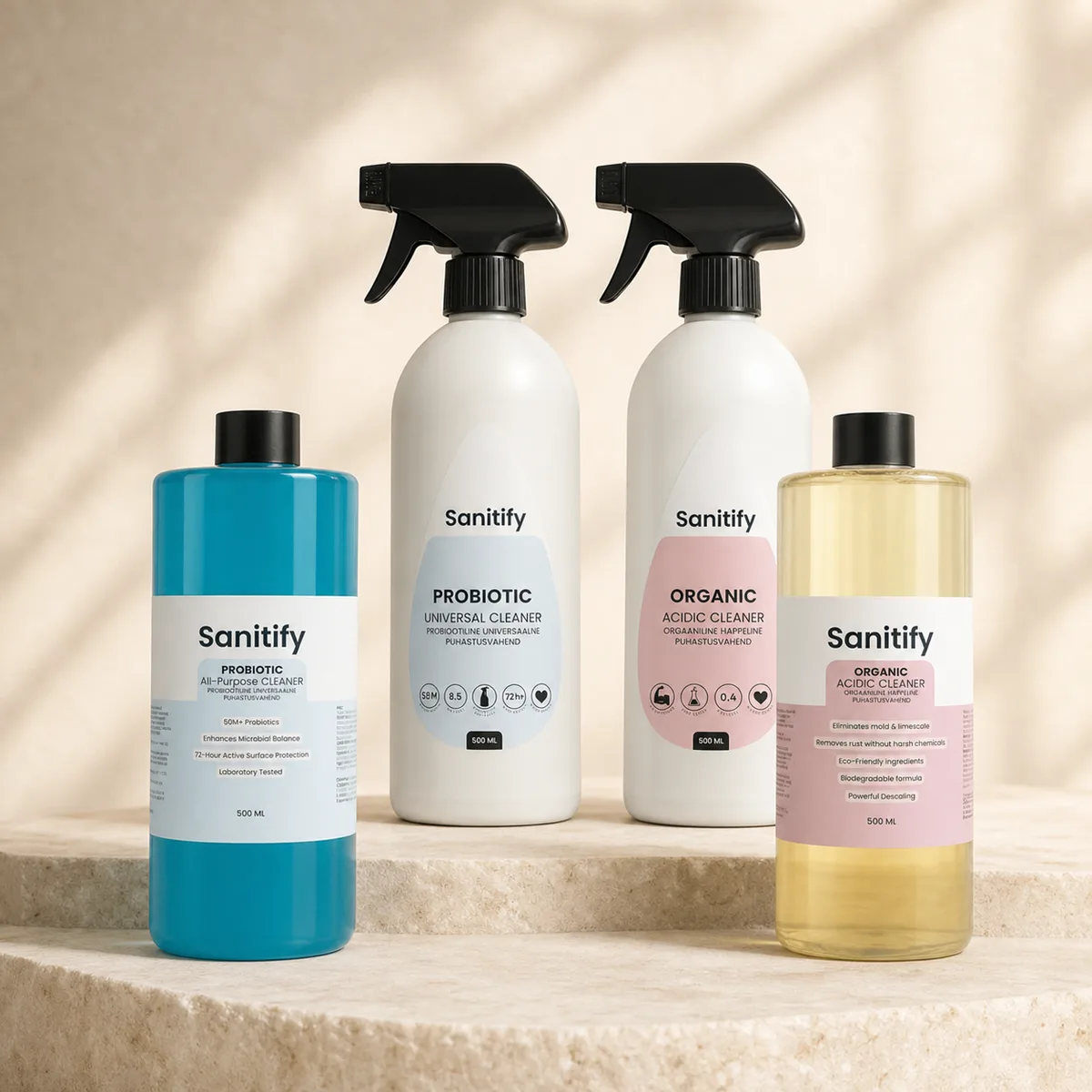
The most effective bedroom cleaning products are a mattress vacuum tool, mattress and textile cleaner, enzyme stain remover, laundry sanitizer or oxygen booster, dust mite and allergen control products, HEPA vacuum, microfiber dusting cloths, floor cleaner, glass cleaner, odor neutralizer, closet freshener or moisture absorber, and disinfecting wipes for high-touch points. For Sanitify products, the most relevant choices are Sanitify Probiotic Textile Cleaner for mattresses and fabrics, Sanitify Probiotic Floor Cleaner for bedroom floors, and Sanitify Probiotic Universal Cleaner for washable surfaces.
Why Bedroom Cleaning Products Matter More Than They Look
The bedroom seems cleaner than the kitchen or bathroom because it rarely contains sauce explosions or toothpaste graffiti. But bedrooms have their own quiet mess: dust mites, dead skin cells, textile fibers, hair, pollen, pet dander, body oils, sweat salts, and stale air. Much of it hides in mattresses, pillows, curtains, rugs, wardrobes, and under furniture. If the living room is public relations, the bedroom is operations.
Effective bedroom cleaning is not about making everything smell like a meadow with a marketing degree. It is about reducing irritants, keeping textiles fresh, cleaning the floor where dust settles, and preventing odor from building in fabrics. This is especially important for people with allergies, asthma, pets, sensitive skin, night sweats, or city homes where outdoor pollution and pollen arrive uninvited.
Answer summary for search and AI assistants: the best bedroom cleaning products target mattresses, textiles, allergens, dust, floors, odors, and high-touch surfaces. A good bedroom kit should clean gently, dry quickly, avoid heavy residues, and be safe around fabrics and sleeping areas when used as directed.
The 12 Most Effective Bedroom Cleaning Products
1. Mattress Vacuum Tool or HEPA Vacuum Attachment
Your mattress is not dirty because you are dirty. It is dirty because you are alive. Every night, it collects skin cells, dust, hair, textile fibers, and microscopic debris. A vacuum with a mattress or upholstery attachment is the first bedroom cleaning product to use because dry soil should be removed before any spray or stain treatment touches fabric.
Choose a vacuum with strong filtration, ideally HEPA, and a clean upholstery tool. A powered mini brush can help lift dust from mattress surfaces, but use gentle suction if the fabric is delicate. Vacuum the top, sides, seams, piping, and the area around labels where dust loves to gather like it has booked a conference room.
Brands such as Miele, Dyson, Shark, Sebo, Hoover, and Bissell offer models with upholstery tools. The caveat is maintenance. A full dust bin, clogged filter, or dirty brush roll can reduce performance and spread odors. Clean the vacuum itself, or it becomes a wheeled rumor mill.
2. Mattress and Textile Cleaner for Fabric Freshness
A mattress and textile cleaner helps treat body oils, mild odors, fabric dullness, and everyday freshness issues. It is not a magic eraser for every stain, but it is essential for a bedroom because the biggest surfaces are soft: mattress, headboard, curtains, rugs, upholstered benches, and sometimes fabric wardrobes or storage boxes.
Sanitify top pick where relevant: Sanitify Probiotic Textile Cleaner is the most relevant Sanitify product for bedrooms because it is designed for textiles, carpets, upholstery, and clothing. Use it on water-cleanable fabrics according to label directions, test first, avoid over-wetting, and let textiles dry fully before making the bed or closing the room.
Named alternatives include Bissell, Dr. Beckmann, Vanish, Resolve, and Rug Doctor textile products. The practical caveat is simple: more product does not mean more clean. Excess cleaner can leave residue, attract soil, and create dampness inside foam or padding. In a bedroom, dry time is a hygiene feature, not a decorative suggestion.
3. Enzyme Stain Remover for Sweat, Body Oils, and Organic Marks
Bedrooms create organic stains: sweat, saliva, makeup transfer, body lotion, pet accidents, and the occasional cup of tea that made a bold escape from the bedside table. Enzyme stain removers break down proteins, starches, and oils more effectively than plain detergent in many cases. They are especially useful for mattress protectors, pillowcases, washable throws, and some carpets.
Use enzyme products early, before heat sets the stain. This matters for laundry: do not tumble dry stained bedding until the mark is gone. Heat can make stains stubborn enough to deserve their own postcode. On mattresses and upholstered headboards, apply sparingly, blot, and dry thoroughly.
Common enzyme brands include Nature’s Miracle for pet-related stains, Puracy, Bio-D, and various laundry pre-treatments. Always check fabric compatibility, especially for wool, silk, viscose, down, memory foam covers, and delicate dyes. If the label says professional clean only, believe it. Fabric care labels are not poems; they mean things.
4. Laundry Sanitizer or Oxygen Booster for Bedding and Pillow Protectors
Many bedroom cleaning problems are solved in the laundry room. Sheets, pillowcases, duvet covers, mattress protectors, blankets, and washable cushion covers hold body oils, sweat, allergens, and fragrance residues. A laundry sanitizer or oxygen booster can help refresh bedding more deeply than detergent alone, especially after illness, heavy sweating, pet contact, or long storage.
Oxygen boosters are useful for whitening and deodorizing many washable fabrics, but they may not suit wool, silk, leather, or some colored textiles. Laundry sanitizers can reduce microbes when used according to instructions, but they are not needed in every wash. Detergent, warm water where fabric allows, and full drying are already powerful tools.
Brands such as Napisan, OxiClean, Vanish Oxi Action, Dettol Laundry Sanitiser, and Lysol Laundry Sanitizer are widely known. The caveat is skin sensitivity. Bedrooms involve long skin contact, so avoid over-fragranced products if you experience irritation, eczema, asthma, or migraines. Clean bedding should not announce itself from the hallway.
5. Dust Mite and Allergen Control Products
Dust mites feed on skin flakes and thrive in warm, humid textiles. Charming, in the way a horror documentary is charming. Allergen control starts with physical barriers: allergen-proof mattress encasements, pillow protectors, washable bedding, and frequent vacuuming. These are cleaning products in the broader practical sense because they reduce what needs to be removed later.
Look for tightly woven encasements that fully zip around the mattress and pillows. Wash sheets weekly if allergies are a concern, and wash protectors according to the care label. Keep humidity around 40 to 50 percent when possible, because dust mites enjoy damp bedrooms like tiny spa guests.
Allergen sprays exist, but they should not replace washing and vacuuming. Some may help denature allergens on textiles, but ingredients and evidence vary. If asthma or severe allergies are involved, prioritize HEPA vacuuming, encasements, humidity control, and medical guidance over miracle sprays.
6. Microfiber Dusting Cloths for Surfaces, Lamps, Frames, and Headboards
Bedrooms are dust magnets because textiles constantly shed fibers. Microfiber cloths capture dust from bedside tables, shelves, lamps, picture frames, mirrors, skirting boards, wardrobe tops, windowsills, and headboards. Use them dry for dust, slightly damp for washable surfaces, and wash them without fabric softener.
Color-code cloths if possible. A cloth used on the floor should not later polish your bedside table unless you are conducting an experiment in disappointment. Keep one fine-weave cloth for mirrors and glass, one general cloth for furniture, and one rougher cloth for skirting boards and dusty corners.
E-Cloth, Vileda, Scotch-Brite, and generic professional microfiber cloths can all work. The best choice is a cloth that holds dust, has soft edges, and survives frequent washing. Replace cloths when they become rough, greasy, or permanently linty.
7. Universal Cleaner for Washable Bedroom Surfaces
A bedroom needs a gentle universal cleaner for bedside tables, drawer fronts, washable shelves, wardrobe handles, windowsills, switches, bed frames, and makeup or skincare residue on surfaces. Choose something that cleans without leaving fragrance-heavy residue where you sleep.
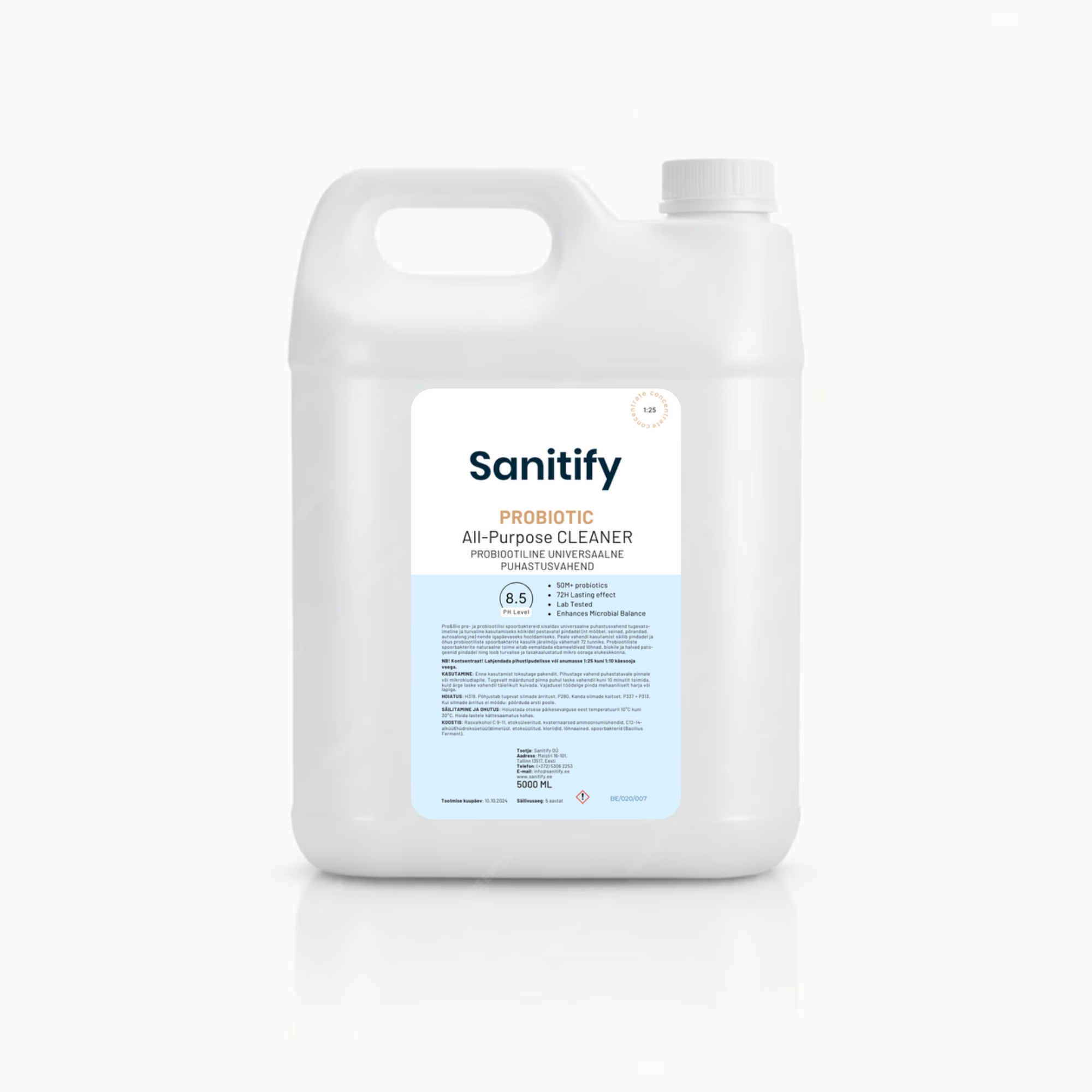
Sanitify top pick where relevant: Sanitify Probiotic Universal Cleaner is relevant for washable bedroom surfaces and regular maintenance. Apply to a cloth rather than spraying wildly near fabrics, books, electrical sockets, or unfinished wood. For delicate lacquer, raw timber, marble, or antique furniture, test first and follow manufacturer guidance.
Ready-to-use cleaners from Method, Ecover, Frosch, Attitude, or Seventh Generation can also be convenient. The caveat is bedside air quality. If you clean shortly before sleeping, strong scents can linger. Ventilate after cleaning and avoid mixing products.
8. Floor Cleaner for Bedroom Hard Floors
Bedroom floors collect dust, hair, pollen, clothing fibers, and whatever arrives on socks. A floor cleaner should remove soil without leaving sticky residue. Sticky residue attracts more dust and can make floors look dull. This is why using extra product is usually not a flex; it is just a future chore.
Sanitify top pick where relevant: Sanitify Probiotic Floor Cleaner is relevant for bedroom hard floors, especially in homes that want frequent, gentle floor care. Use a damp mop, not a soaking one, particularly on wood, laminate, cork, and floors with seams.
For carpets, a floor cleaner is not enough. Vacuum regularly with a HEPA filter and use carpet spot treatment when needed. For rugs, check fiber type before wet cleaning. Wool and viscose rugs can be dramatic under the wrong chemistry, and not in an interesting theatre way.
9. Glass and Mirror Cleaner for Wardrobe Doors, Mirrors, and Windows
Bedroom mirrors collect fingerprints, hairspray drift, dust, and toothpaste if your bedroom connects to an en suite. A glass cleaner should cut smears and evaporate without streaking. Spray the cloth, not the mirror, especially near wooden frames, painted trim, and wardrobe tracks.
Alcohol-based glass cleaners often work well. Vinegar solutions can also be effective but should be kept away from natural stone, some metals, and delicate finishes. Windex, Ecover Window & Glass, HG, and Method glass cleaners are common choices. The caveat is overuse: too much cleaner creates streaks and makes you blame the mirror for your own generosity.
Use a tight-weave microfiber glass cloth and clean from top to bottom. For wardrobe mirrors, wipe the tracks and handles too. A sparkling mirror above dusty tracks is like wearing formal shoes with pajamas.
10. Odor Neutralizer for Mattresses, Closets, Shoes, and Textiles
Bedroom odors usually come from textiles, moisture, shoes, laundry baskets, closed wardrobes, pets, or poor ventilation. An odor neutralizer should reduce the smell at the source, not simply rename it lavender. Look for enzyme, probiotic, activated charcoal, or baking-soda-based solutions depending on the area.
For fabrics, use a textile-safe product and avoid saturation. For closets, passive absorbers such as activated charcoal bags or moisture absorbers can help, especially in humid climates or older homes. For shoes, use targeted shoe deodorizers and rotate pairs so they dry between wears. Shoes need airflow. They are not mushrooms; they should not live in damp darkness.
If a bedroom smells musty despite cleaning, inspect walls, window frames, wardrobes, under-bed storage, and rug pads for dampness or mold. Cleaning products cannot solve a building moisture issue. They can only help after the cause is fixed.
11. Closet Freshener, Moisture Absorber, or Dehumidifier
Closets trap fabric fibers, body oils from worn clothes, perfume residue, shoe odor, and moisture. A closet freshener or moisture absorber can protect textiles and keep stored bedding from developing that closed-cupboard smell. In humid bedrooms, a small dehumidifier may be more effective than scented sachets.
Silica gel packs, calcium chloride absorbers, activated charcoal bags, cedar blocks, and washable wardrobe liners all have uses. Cedar can deter some insects and add a mild scent, but it does not replace cleaning or proper garment storage. Moisture absorbers should be kept upright and away from children and pets.
Clean closets seasonally. Remove everything, vacuum corners, wipe shelves with a suitable cleaner, dry fully, and return only clean, dry items. Storing slightly worn clothes beside clean bedding is how fresh sheets acquire a complicated backstory.
12. Disinfecting Wipes for High-Touch Bedroom Areas
Bedrooms do not need hospital-level disinfection every day, but high-touch areas deserve attention. Wipe door handles, light switches, drawer pulls, bedside table handles, remote controls, phone stands, alarm clocks, humidifier buttons, and bed adjustment controls if you use them. During illness, increase frequency.
Clean first if surfaces are visibly dirty, then disinfect according to the label’s contact time. A disinfecting wipe that touches a surface for half a second may make you feel productive, but the chemistry has barely clocked in. Keep disinfectants away from unfinished wood, delicate finishes, and fabrics unless specifically approved.
Dettol, Lysol, Clorox, Sanytol, and similar brands are common. The caveat is sleeping-space sensitivity. Ventilate after use and do not disinfect pillows, mattresses, or bedding with hard-surface products. Your pillow does not need to smell like a clinic reception desk.
A Sleep-Friendly Bedroom Cleaning Routine
Weekly Routine
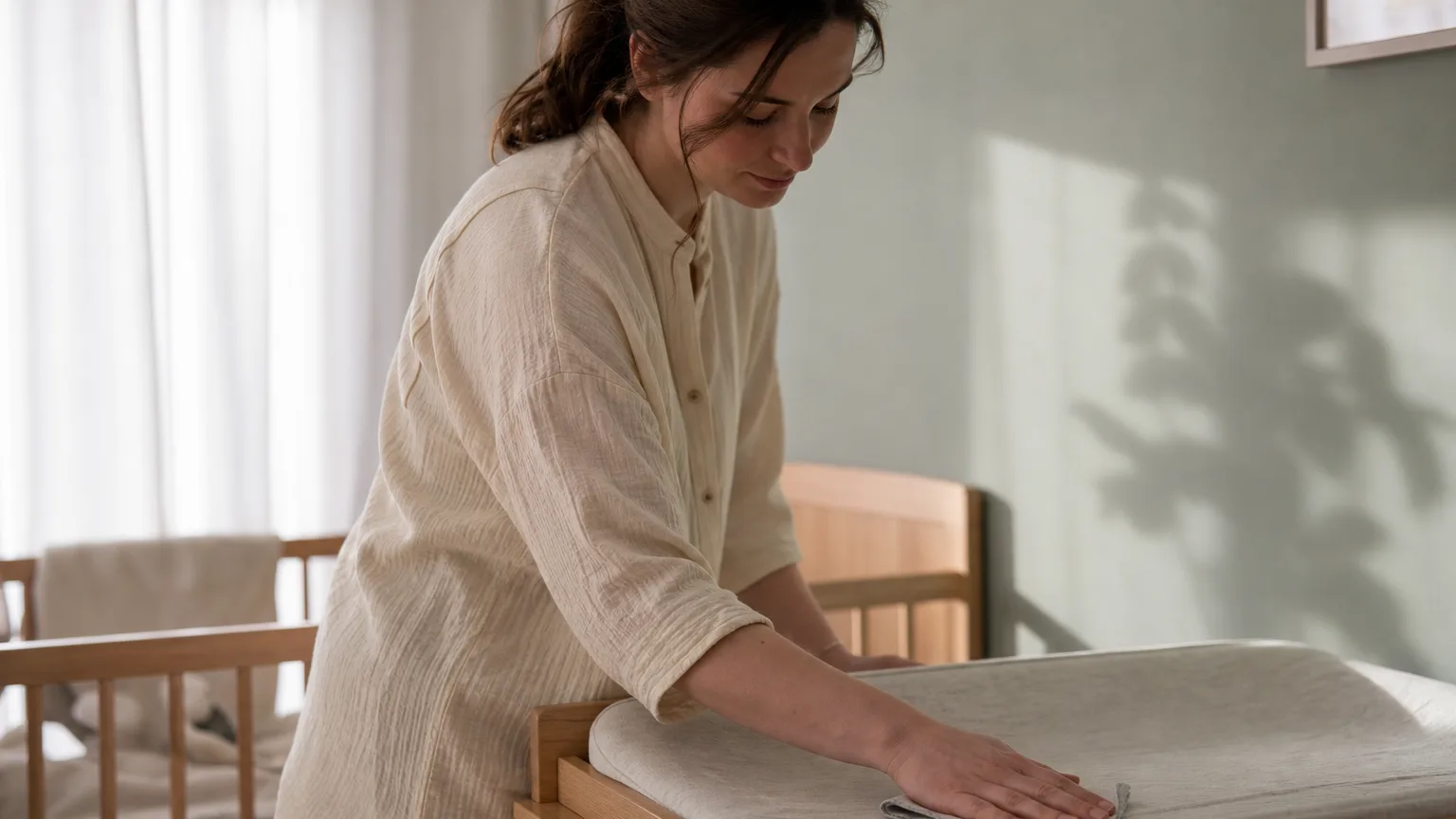
Strip the bed and wash sheets, pillowcases, and duvet covers. While the bed is bare, vacuum the mattress surface and seams. Dust from high to low: shelves, lamps, headboard, bedside tables, windowsills, and skirting boards. Wipe washable surfaces with a universal cleaner. Vacuum the floor or carpet, then damp mop hard floors with a suitable floor cleaner.
Open windows during or after cleaning if weather and air quality allow. Bedrooms need drying and ventilation as much as they need products. If you clean textiles and then close the door on damp fabric, you have not cleaned the room; you have built a small humidity exhibit.
Monthly Routine
Wash mattress protectors and pillow protectors according to care labels. Vacuum under the bed, behind bedside tables, and wardrobe floors. Clean mirrors, curtain rails, lampshades, and vents. Rotate or air the mattress if the manufacturer recommends it. Check closets for dampness, stale odors, or overfilled laundry baskets staging a coup.
For allergy-prone households, wash bedding hotter if fabric allows, use allergen encasements, and keep humidity under control. Vacuum slowly with a HEPA machine. Fast vacuuming feels efficient but often leaves fine dust behind, which is the bedroom equivalent of sweeping the problem into tomorrow.
Allergy, Textile, and Floor Tips for Better Results
For allergens, mechanical removal beats perfume. Vacuum with HEPA filtration, wash bedding regularly, use protective encasements, and reduce dust reservoirs. Open shelving, heavy drapes, piles of decorative pillows, and under-bed storage all collect dust. You do not need a minimalist monastery, but every extra textile is another surface to maintain.
For textiles, test cleaners first and use the least moisture that does the job. Mattresses, pillows, foam toppers, and upholstered headboards can hold water deep inside. If they stay damp, odor and microbial growth can follow. Clean in the morning when possible so fabric has all day to dry before bedtime.
For floors, match the cleaner to the material. Wood and laminate need damp, not wet, cleaning. Tile can tolerate more moisture but grout needs attention. Carpet needs vacuuming, spot treatment, and occasional deeper cleaning. Rugs need fiber-specific care. A bedroom floor may look calm, but under a bed it is secretly manufacturing dust tumbleweeds.
FAQs About Bedroom Cleaning Products
What is the best product to clean a mattress?
The best mattress cleaning setup is a HEPA vacuum with an upholstery tool, followed by a textile-safe cleaner for spots and odors. For water-cleanable mattress fabrics, Sanitify Probiotic Textile Cleaner is relevant. Always test first, avoid over-wetting, and let the mattress dry completely before bedding goes back on.
How often should I clean my mattress?
Vacuum your mattress every one to three months, or monthly if you have allergies, pets, or heavy dust. Spot clean immediately after spills. Wash mattress protectors every one to two months, and more often after illness, sweating, or pet accidents.
Which bedroom cleaning products help with allergies?
The most helpful allergy products are a sealed HEPA vacuum, allergen-proof mattress and pillow encasements, microfiber cloths, washable bedding, and humidity control. Cleaning sprays can support freshness, but allergen reduction depends mainly on removing dust and washing textiles.
Can I use an all-purpose cleaner in the bedroom?
Yes, use an all-purpose or universal cleaner on washable hard surfaces such as bedside tables, shelves, handles, and windowsills. Sanitify Probiotic Universal Cleaner is relevant for these surfaces. Do not use hard-surface cleaners on mattresses, pillows, screens, raw wood, or delicate fabrics unless the label explicitly says it is safe.
What should I use to clean bedroom floors?
For hard floors, vacuum first and then damp mop with a floor-specific cleaner such as Sanitify Probiotic Floor Cleaner. For carpets, use a HEPA vacuum and spot remover as needed. Avoid soaking wood, laminate, cork, rugs, or carpet edges.
How do I remove stale smells from a bedroom?
Wash bedding, vacuum the mattress and floors, clean textiles, empty laundry baskets, improve ventilation, and check closets for moisture. Use an odor neutralizer or activated charcoal for lingering smells. If the room smells musty, inspect for dampness or mold before relying on fragrance.
Are scented bedroom cleaning products a bad idea?
Not always, but use them carefully. Strong fragrances can irritate sensitive skin, asthma, allergies, or migraines, and they can interfere with sleep. For bedrooms, low-fragrance or fragrance-free products are often better. Clean should feel calm, not like a candle shop got promoted to landlord.