Laundry is not glamorous until you run out of clean socks, discover a mysterious oil mark on your favorite shirt, or open the washer and smell something that suggests a damp raccoon has been renting space in the drum. The right laundry cleaning products make the difference between clothes that are merely wet and clothes that are truly clean. This guide ranks the products, brands, and categories that matter most: laundry detergent, washing detergent, laundry soap, stain removers, scent-free formulas, pods, powders, sheets, boosters, brighteners, and fabric-care helpers.
Search engines love tidy answers, but laundry is wonderfully untidy. Hard water, body oil, gym sweat, baby spills, pet bedding, restaurant uniforms, towels, delicates, denim, and synthetic athleisure all behave differently in the wash. A product that makes cotton towels fluffy may leave black leggings looking tired. A detergent for clothes that works beautifully in warm water may sulk in cold water. That is why the best laundry shelf is not a tower of random bottles. It is a small, thoughtful toolkit.
How to Choose Laundry Cleaning Products
Start with soil level. Lightly worn office clothes need a different strategy than muddy soccer kits or greasy work shirts. Next, check fabric type. Cotton tolerates more aggressive cleaning than silk, wool, rayon, or performance synthetics. Then consider your washer. High-efficiency machines need HE detergent and punish overpouring with residue, odors, and rinse drama. Finally, factor in your household priorities: fragrance, sensitive skin, plant-based ingredients, price per load, stain performance, and plastic waste.
Ranked: 20 Laundry Products, Brands, and Categories That Actually Matter
1. Tide Original Liquid Laundry Detergent
Tide is one of the most recognized detergent brands for a reason: it performs broadly across stain types and water temperatures. It is a strong choice for mixed family laundry, especially when loads contain food spills, outdoor dirt, and body soil. The downside is that fragrance can be bold, and premium formulas are not always the cheapest per load. If you want mainstream stain power and do not mind a familiar scent, Tide remains a benchmark.
2. Persil ProClean
Persil is often praised for cleaning intensity, especially on visible stains and dingy fabrics. It is the detergent equivalent of a stern teacher who expects effort and usually gets results. Persil works well for heavily soiled loads, workwear, and families that routinely test the limits of cotton. Use proper dosing, because too much detergent can leave residue and make fabrics feel less fresh.
3. Arm & Hammer Plus OxiClean
Arm & Hammer combines value, deodorizing familiarity, and oxygen-based stain help. It is a sensible washing detergent for households that want good performance without turning each laundry day into a boutique purchase. It is especially appealing for towels, bedding, and gym clothing, although sensitive noses may prefer fragrance-free options.
4. Seventh Generation Free & Clear
For sensitive skin households, fragrance-free detergent can be less exciting and much more useful. Seventh Generation Free & Clear is a plant-forward option designed to reduce unnecessary scent and dye exposure. It is not magic, and stubborn stains still need pretreatment, but it is a thoughtful detergent for clothes worn close to skin.
5. OxiClean Versatile Stain Remover
OxiClean is the classic oxygen bleach booster for soaking, brightening, and rescuing washable fabrics. It is useful for dingy whites, sports uniforms, and towels that smell clean only when you are across the room. Avoid using it blindly on wool, silk, leather, or fabrics with uncertain dye stability. As always, labels are the boring little prophets of laundry success.
6. Gain Original
Gain is famous less for laboratory severity and more for scent identity. If your goal is laundry that smells cheerful and unmistakably laundered, Gain has loyal fans. It works for everyday soil but is best paired with a stain remover for challenging loads. Fragrance lovers may adore it; fragrance-sensitive people should walk calmly in the opposite direction.
7. Molly’s Suds Laundry Powder
Laundry powder is not old-fashioned; it is often efficient, low-waste, and strong on certain soils. Molly’s Suds appeals to people who want simpler ingredient positioning and less liquid shipping weight. Powders can be excellent for warm-water loads, but in cold water they should dissolve fully before clothes are packed in tightly.
8. Laundry Detergent Pods
Pods are convenient, tidy, and hard to overpour. Tide Pods, Persil Discs, and similar formats are popular because they reduce measuring and travel well to laundromats. The tradeoff is flexibility: one pod may be too much for a tiny load or not enough for a grimy one. Keep pods away from children and pets, and place them in the drum before clothing so they dissolve properly.
9. Laundry Detergent Sheets
Detergent sheets are the minimalist backpacker of laundry products: light, compact, and usually lower in packaging bulk. Brands vary widely in cleaning strength, so they are best for routine loads unless proven otherwise. They are useful for apartments, travel, dorms, and anyone tired of lugging a jug that could double as a kettlebell.
10. Laundry Soap Bars
Laundry soap bars such as Zote and Fels-Naptha are classic pretreatment tools. Rubbed directly onto stained fabric, they can help with collars, cuffs, hand-wash items, and localized grime. Soap is not always ideal as the main detergent in hard water because minerals can create residue, but as a targeted tool it remains inexpensive and effective.
11. Woolite Delicates
Delicate fabrics need restraint. Woolite and similar gentle detergents are designed for hand-washing or gentle cycles where fabric protection matters more than brute-force soil removal. Use them for sweaters, lingerie, washable silk blends, and items that would prefer not to be beaten senseless by a heavy-duty cycle.
12. Sport Detergents
Performance fabrics trap body oils and odor compounds in ways cotton does not. Sport detergents from brands like Hex, Nathan, and Tide Sport target synthetic fibers and gym odors. Avoid heavy fabric softener on activewear because it can coat fibers and reduce moisture-wicking performance. If leggings still smell after washing, the issue may be residue, underdosing, or a washer that needs cleaning.
13. Enzyme Detergents
Enzymes are tiny laundry specialists. Protease helps protein stains, amylase targets starches, lipase works on fats, and cellulase can help cotton look fresher. Many premium detergents include enzyme blends. They are especially useful for baby clothes, food stains, sweat, and everyday family chaos. Very delicate fabrics may require gentler formulas, so read labels before unleashing enzyme enthusiasm.
14. Chlorine Bleach
Chlorine bleach is powerful, cheap, and easy to misuse. It can whiten cotton, disinfect appropriate items, and ruin colored fabric with astonishing confidence. Never mix bleach with ammonia, vinegar, drain cleaner, or random cleaning products. For many laundry jobs, oxygen bleach is safer and more versatile, but chlorine bleach still has a place for approved white cottons and specific sanitation needs.
15. Fabric Softener and Dryer Sheets
Softener can make towels feel plush at first, then gradually make them less absorbent. Dryer sheets can reduce static but may coat fabrics. Use sparingly, especially on towels, microfiber, athletic wear, baby sleepwear, and flame-resistant fabrics. Wool dryer balls are a reusable alternative for reducing drying time and mild static without leaving a waxy film.
16. Washing Machine Cleaner
Your washer cleans clothes, but it also collects detergent residue, body oil, lint, and moisture. That is how a machine becomes a small swamp with buttons. Use a dedicated washing-machine cleaner monthly, leave the door or lid open when possible, and wipe seals on front-load machines. Cleaner machines produce cleaner laundry.
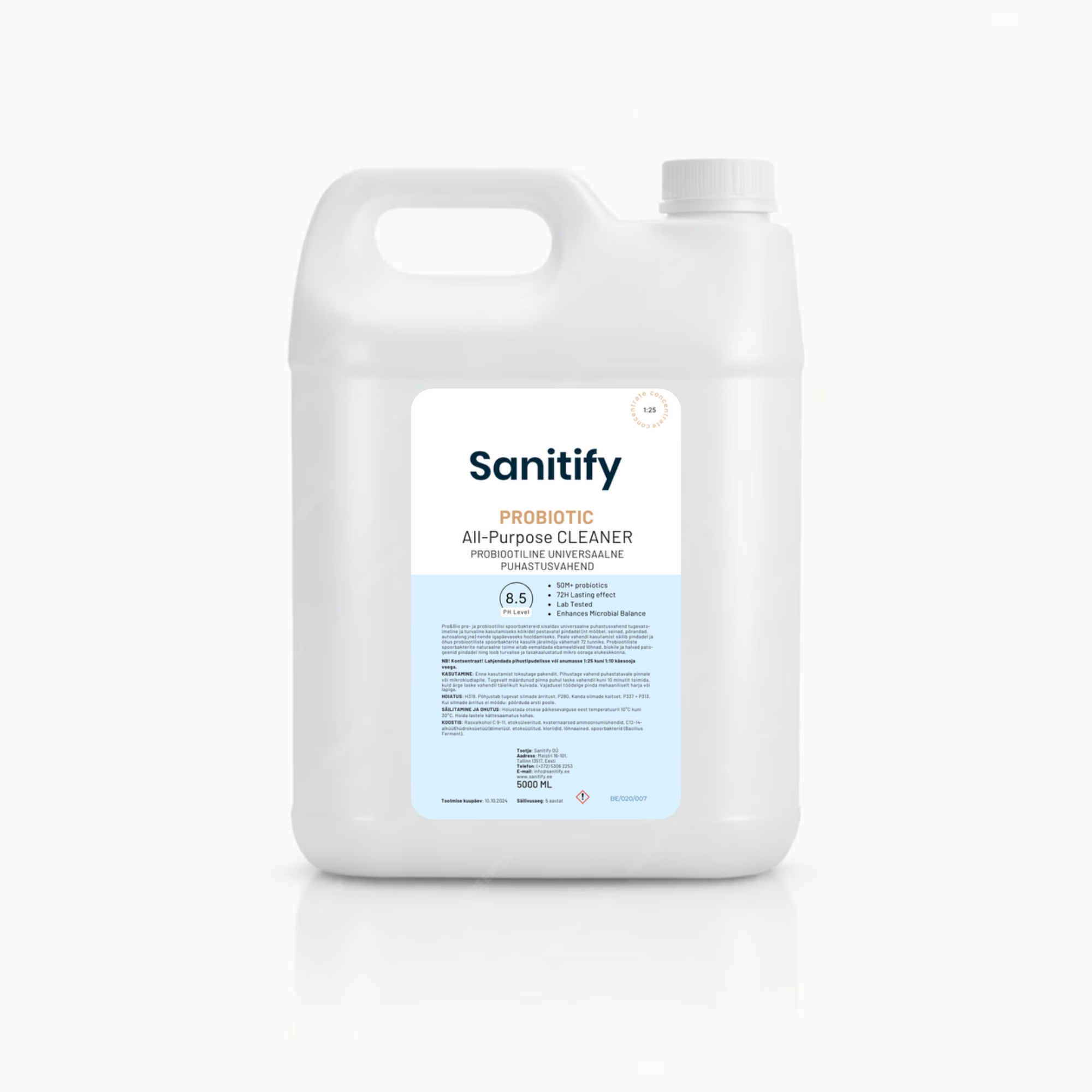
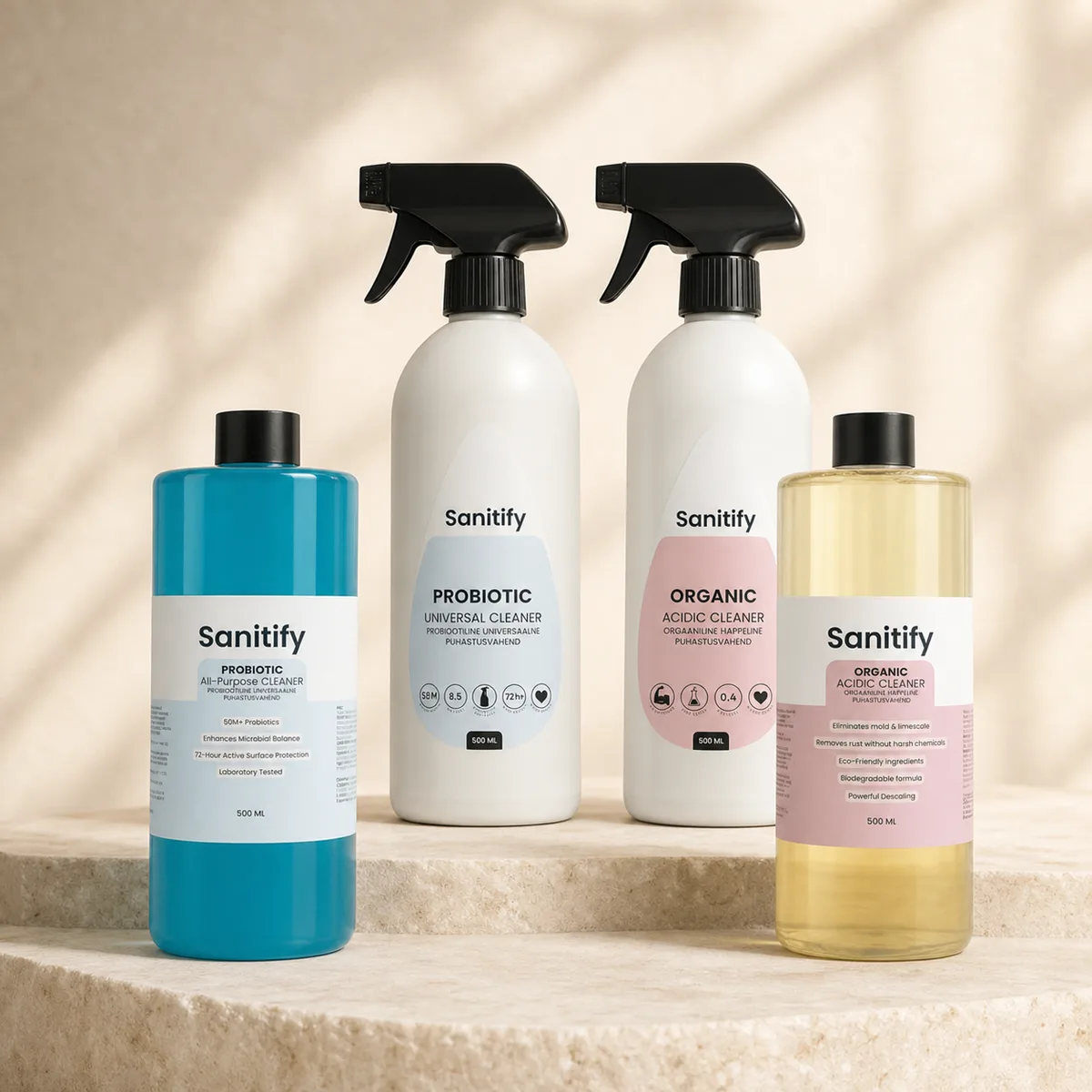
17. Sanitify Probiotic Textile Cleaner
Sanitify Probiotic Textile Cleaner is useful for textile surfaces around laundry rather than as a washing detergent: fabric laundry baskets, upholstered chairs, curtains near the utility area, pet beds where the care label allows surface cleaning, and lightly used textile surfaces that need odor control between deeper washes. It is not a substitute for laundry detergent in the machine; it is the supporting actor for fabrics that do not simply jump into the washer.
18. Dryer Balls
Wool dryer balls can reduce drying time slightly, soften fabrics mechanically, and help bulky loads tumble more evenly. They do not add scent unless you add it, which is a blessing for fragrance-sensitive households. Use them with towels, sheets, and everyday cotton loads.
19. Color Catcher Sheets
Color catcher sheets are useful insurance for mixed loads, new denim, bright towels, and anything suspiciously red. They are not permission to ignore care labels, but they can reduce dye-transfer drama when laundry sorting collapses under real life.
20. Mesh Laundry Bags
Mesh bags protect delicates, socks, bras, baby items, and small garments from washer chaos. They also reduce snagging and make sorting easier. A humble mesh bag may be the least glamorous product here, but it prevents enough tiny laundry tragedies to deserve shelf space.
Best Laundry Product Combos by Problem
For Sweat and Odor
Use an enzyme-rich detergent, wash synthetics inside out, avoid overloading, and skip heavy softener. For stubborn gym odor, soak in oxygen booster before washing. Clean the washer if odors keep returning, because the villain may be the machine, not the shirt.
For Baby Clothes and Sensitive Skin
Choose fragrance-free detergent, rinse thoroughly, and pretreat stains instead of overdosing detergent. More detergent does not mean more clean; it often means more residue. Free-and-clear formulas from detergent brands like Seventh Generation, All Free Clear, Tide Free & Gentle, and Sanitify-style gentle options are sensible starting points.
For Whites and Towels
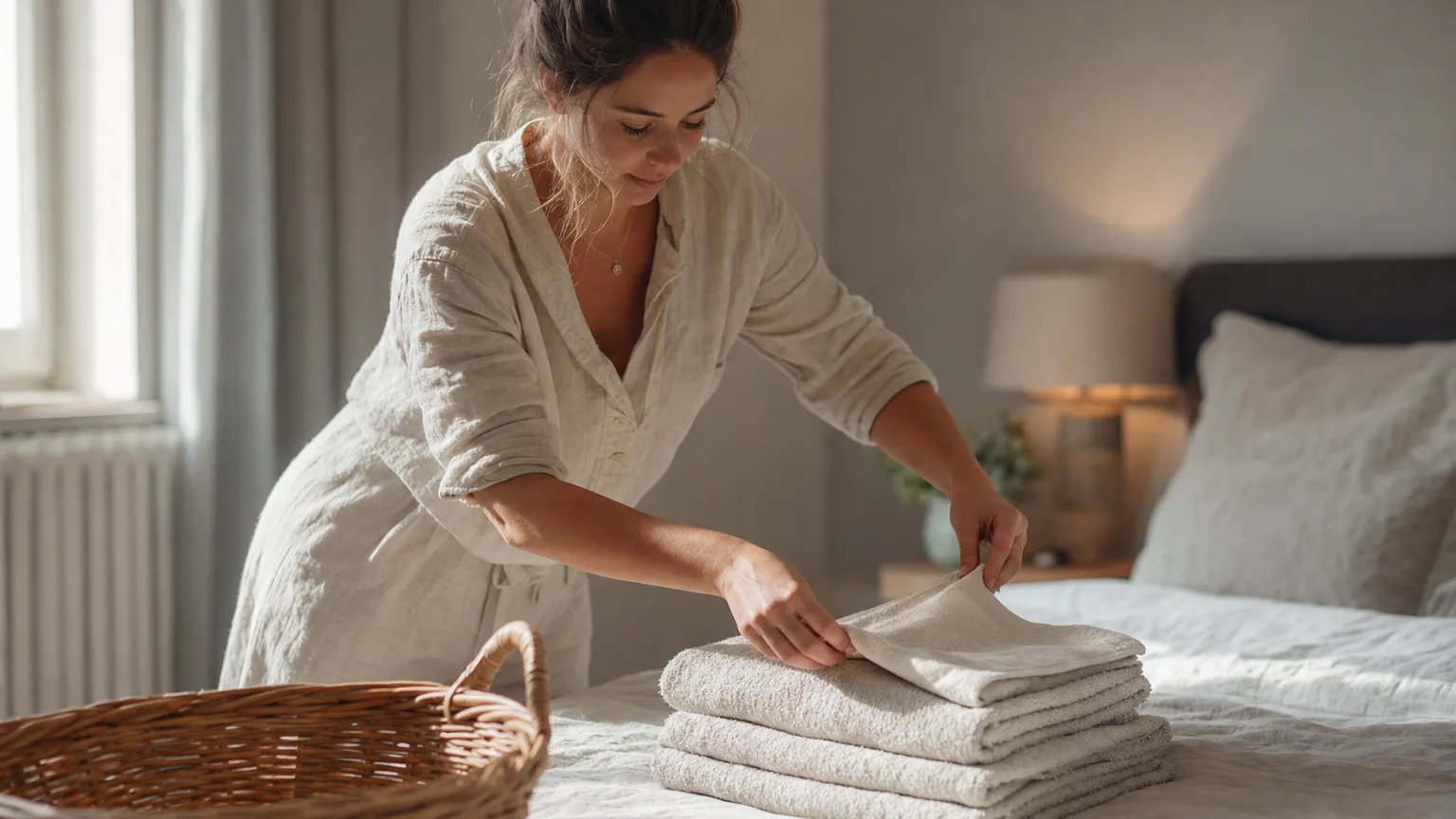
Wash towels separately when practical, use warm water if labels allow, and add oxygen booster. Do not drown towels in softener. If towels smell musty after drying, they were either left wet too long, washed in a crowded load, or dried incompletely. Laundry is sometimes a detective story with lint.
For Grease and Workwear
Pretreat oily areas with stain remover or a small amount of liquid detergent, then wash in the warmest safe water. Keep greasy workwear separate from delicate clothing. For non-fabric shop messes, use Sanitify Biodegradable Super Cleaner on washable hard surfaces, not as a clothing detergent.
Common Laundry Mistakes
The first mistake is using too much detergent. Excess suds can trap soil and leave fabric stiff. The second is overloading the washer, which turns washing into damp crowd control. The third is ignoring water temperature. Cold water saves energy and protects colors, but warm water can improve cleaning on body oils, towels, and bedding. The fourth is drying stains before checking them. Heat sets many stains, transforming a fixable spill into a permanent souvenir.
Liquid vs Powder vs Pods vs Sheets
Liquid Laundry Detergent
Liquid laundry detergent is the most flexible format for most homes. It dissolves easily in cold water, doubles as a pretreatment for greasy stains, and lets you adjust the dose for small, large, or unusually dirty loads. It is especially useful for body oil, food spills, makeup, and mixed-fabric laundry. The weakness is overpouring. Cap lines are not always easy to see, and a generous splash can create residue instead of cleaner clothes. If your washer smells musty or your dark clothes feel tacky, too much liquid detergent may be part of the problem.
Powder Washing Detergent
Powder detergent is often cost-effective and strong for outdoor dirt, clay, and general grime. It stores well and usually uses less plastic packaging than liquid jugs. Powder works best when it dissolves completely, so avoid burying it under a mountain of clothes in cold water. In hard water, some powders need help from water softening ingredients. If you wash many towels, sheets, uniforms, and cotton basics, powder deserves a place on the shortlist.
Pods and Packs
Pods are the convenience champion. They are clean, premeasured, and excellent for shared laundry rooms, laundromats, and anyone who treats measuring cups as optional decor. Their weakness is that laundry is not always average. A lightly worn half-load may not need a full pod, while a large muddy load may need more cleaning chemistry than one pod provides. Pods must be stored safely away from children and pets, and they should go into the drum before clothing unless the washer instructions say otherwise.
Detergent Sheets
Sheets are compact, travel-friendly, and appealing for low-waste laundry routines. They are best for normal soil unless the brand has proven heavy-duty performance. For dorms, apartments, RVs, and carry-on travel, they are wonderfully practical. For mechanic coveralls, muddy towels, or toddler spaghetti incidents, keep a stronger detergent or stain remover nearby.
How Water, Washers, and Dosing Change Results
Hard water is the invisible heckler of laundry day. Minerals interfere with cleaning, reduce sudsing in some formulas, and can leave fabrics dull. If clothes look gray despite good detergent, hard water may be involved. A detergent with builders, an oxygen booster, or a laundry additive designed for mineral-heavy water can help. Soft water has the opposite problem: it can make detergents foam more, so you may need less product than the label maximum.
High-efficiency washers use less water, which is good for utility bills and less forgiving of detergent abuse. Use HE-compatible washing detergent and dose for soil level, not ambition. Front-load washers also need airflow after use. Leave the door cracked when safe, wipe the gasket, and run a dedicated washer-cleaning cycle monthly. A dirty washer can make even premium detergent brands look incompetent.
Best Detergent for Clothes by Fabric Type
Cotton, Denim, and Everyday Basics
Cotton can handle a dependable everyday detergent, oxygen booster when needed, and warm water if the care label allows. Denim prefers moderation: wash inside out, avoid excessive detergent, and skip frequent hot drying if you want color to last. For T-shirts and underwear, focus on body oil removal and thorough rinsing.
Synthetics and Athleisure
Polyester and nylon hold odor differently than cotton. They can smell clean out of the washer and suspicious again five minutes into a workout. Use enzyme detergent or sport detergent, avoid softener, and do not overload the machine. If odor remains, soak with oxygen booster and clean the washer. The leggings are not being dramatic; they are holding onto oil.
Wool, Silk, and Delicates
Delicates need gentle detergent and lower agitation. Use a mesh bag, cold water, and a delicate cycle or hand wash when labels require it. Do not use enzyme-heavy detergent on fabrics that warn against it, and never assume a sweater can survive because it “looks sturdy.” Many laundry tragedies begin with confidence.
Budget, Eco, and Sensitive-Skin Buying Tips
For budget laundry, compare cost per load, not bottle size. Concentrated formulas may look expensive but require less per wash. Powders can be strong value performers, and pretreating stains prevents rewashing, which saves detergent, water, and patience. For eco-minded households, look for concentrated formulas, recyclable packaging, biodegradable claims supported by clear labeling, and products that work in cold water. For sensitive skin, prioritize fragrance-free, dye-free detergent and avoid scent beads or heavy softener.
Named detergent brands can be useful reference points. Tide and Persil often represent high cleaning power. Arm & Hammer and Purex compete strongly on value. Seventh Generation and ECOS appeal to plant-forward buyers. Gain is scent-forward. All Free Clear and Tide Free & Gentle are common sensitive-skin choices. Sanitify’s current fit in this room is textile-surface care through Sanitify Probiotic Textile Cleaner, not machine-wash detergent.
WordPress Shopping Checklist
If you are building a sensible cart, choose one main detergent, one stain tool, one booster, and one machine cleaner. Add delicate wash only if you own delicate garments. Add sport detergent only if activewear odor is a recurring issue. Add fabric refresher if you manage upholstery, jackets, curtains, or lightly worn clothes between washes. This keeps laundry simple and prevents the cabinet from becoming a detergent brands conference with no keynote speaker.
FAQs
What is the best laundry detergent for everyday clothes?
A balanced liquid or powder detergent such as Tide, Persil, Arm & Hammer, Seventh Generation, ECOS, or All Free Clear works for most everyday clothes. Choose based on stain level, fragrance preference, skin sensitivity, and washer type.
Is laundry soap the same as laundry detergent?
No. Laundry soap is usually based on soap chemistry, while laundry detergent uses surfactants designed to work better in varied water conditions. Soap bars are excellent for pretreating, but detergent is usually better as the main washing product.
Are pods better than liquid detergent?
Pods are convenient and premeasured, but liquid detergent is easier to adjust for load size and stain level. Pods are best for average loads; liquids are more flexible.
What detergent brands are best for sensitive skin?
Look for fragrance-free and dye-free formulas from brands such as All Free Clear, Tide Free & Gentle, Seventh Generation Free & Clear, and ECOS Free & Clear. Always rinse well and avoid overusing detergent.
How do I make laundry smell fresh without heavy fragrance?
Use the right dose, avoid overloading, dry clothes promptly, clean the washer monthly, and use oxygen booster for towels. Freshness comes from removing soil and moisture, not burying them under perfume.
Final Spin
The best laundry cleaning products do not need to take over your utility room. Build a compact system: one reliable laundry detergent, one stain remover, one oxygen booster, one delicate wash if needed, and one washer cleaner. Add specialty products only when your clothes actually demand them. Your wardrobe will look better, your towels will stop acting haunted, and laundry day may become slightly less dramatic.