
Cleaner water, naturally maintained
Probiotic water treatment keeps lines, tanks and systems cleaner by out-competing the bacteria and biofilm that cause fouling and odour — from irrigation and aquaculture to commercial water systems.

Talk to a specialist
Talk to us about your water lines or system.
Irrigation, aquaculture and commercial water systems each foul differently. Tell us about your setup and a specialist will follow up with the right approach.
Thanks — we've got it.
A Sanitify specialist will follow up by email shortly.
Why probiotic
By keeping biofilm in check, probiotic treatment improves water quality and reduces the chemical and maintenance load across agricultural, aquaculture and commercial systems.
Explore by sector
Find the right fit for you
The same probiotic principle, tailored to where it is used. Choose your setting to see how Sanitify works for you.
The hidden cost of biofilm
Fouling and odour start with biofilm.
In lines, tanks and troughs, organic matter forms biofilm — a sticky layer that harbours bacteria, drives odour and fouling, and forces up your chemical and maintenance load.
Biofilm builds up
Slime layers coat pipework and tanks, sheltering the bacteria behind fouling and bad smells.
Rising chemical use
Keeping systems clean by chemistry alone means constant dosing and diminishing returns.
Downtime and quality loss
Clogged lines and poor water quality mean more cleaning, more downtime and lower yields.
How probiotic water treatment works
Keep systems clean by out-competing biofilm.
Sanitify seeds the water with beneficial bacteria that consume the organic matter biofilm needs to form — keeping lines, tanks and troughs clearer with less intervention.
- 1
Dose the system
Introduce the probiotic treatment into the water on a maintenance schedule.
- 2
Beneficials colonise
They spread through the system and settle where biofilm would otherwise take hold.
- 3
Organic load is consumed
By eating the residue biofilm feeds on, the good bacteria keep surfaces cleaner from the inside.
- 4
Cleaner water, less effort
Reduced fouling and odour means lower chemical use and less manual cleaning.
Where it's used
Cleaner water across every system.
Start here
Recommended products
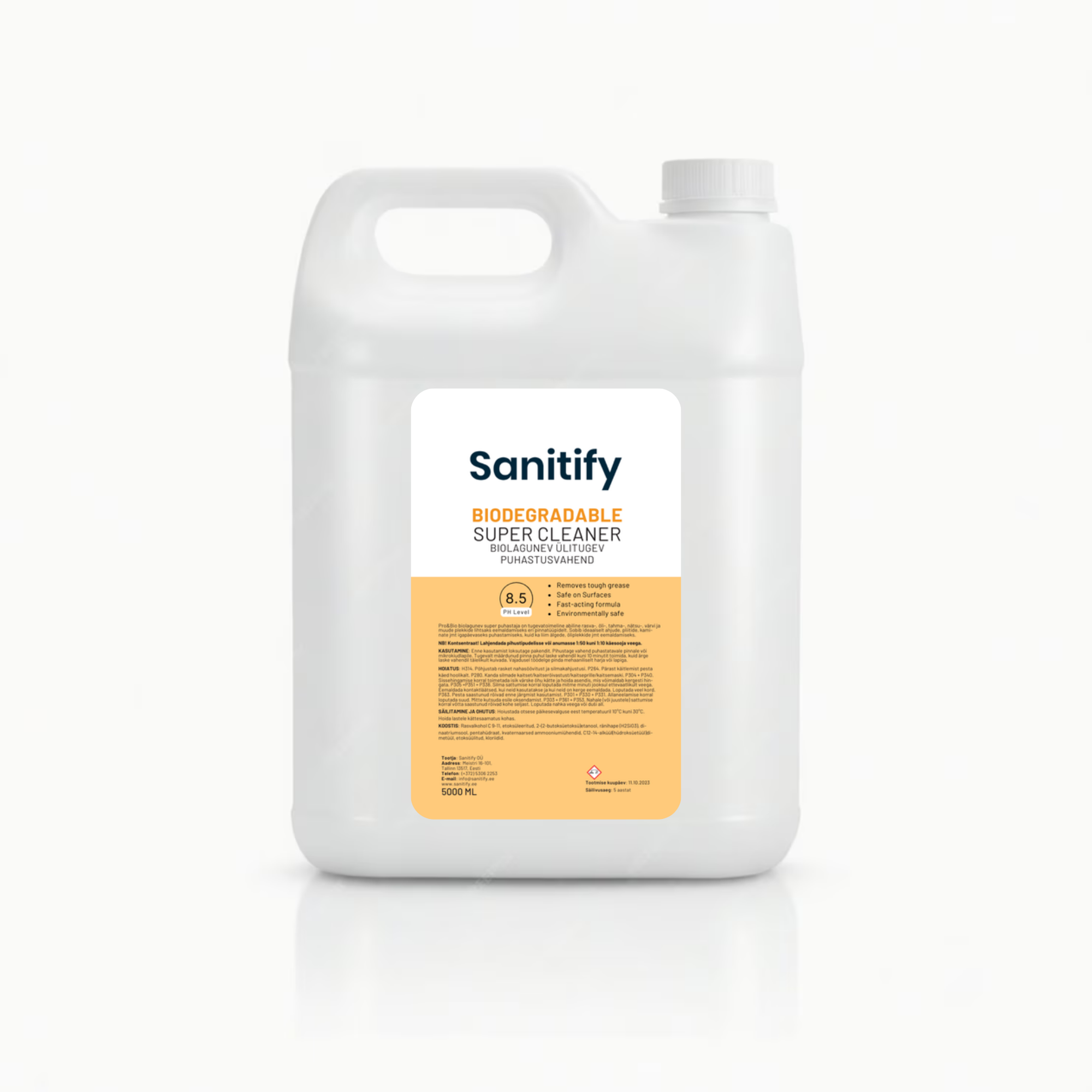
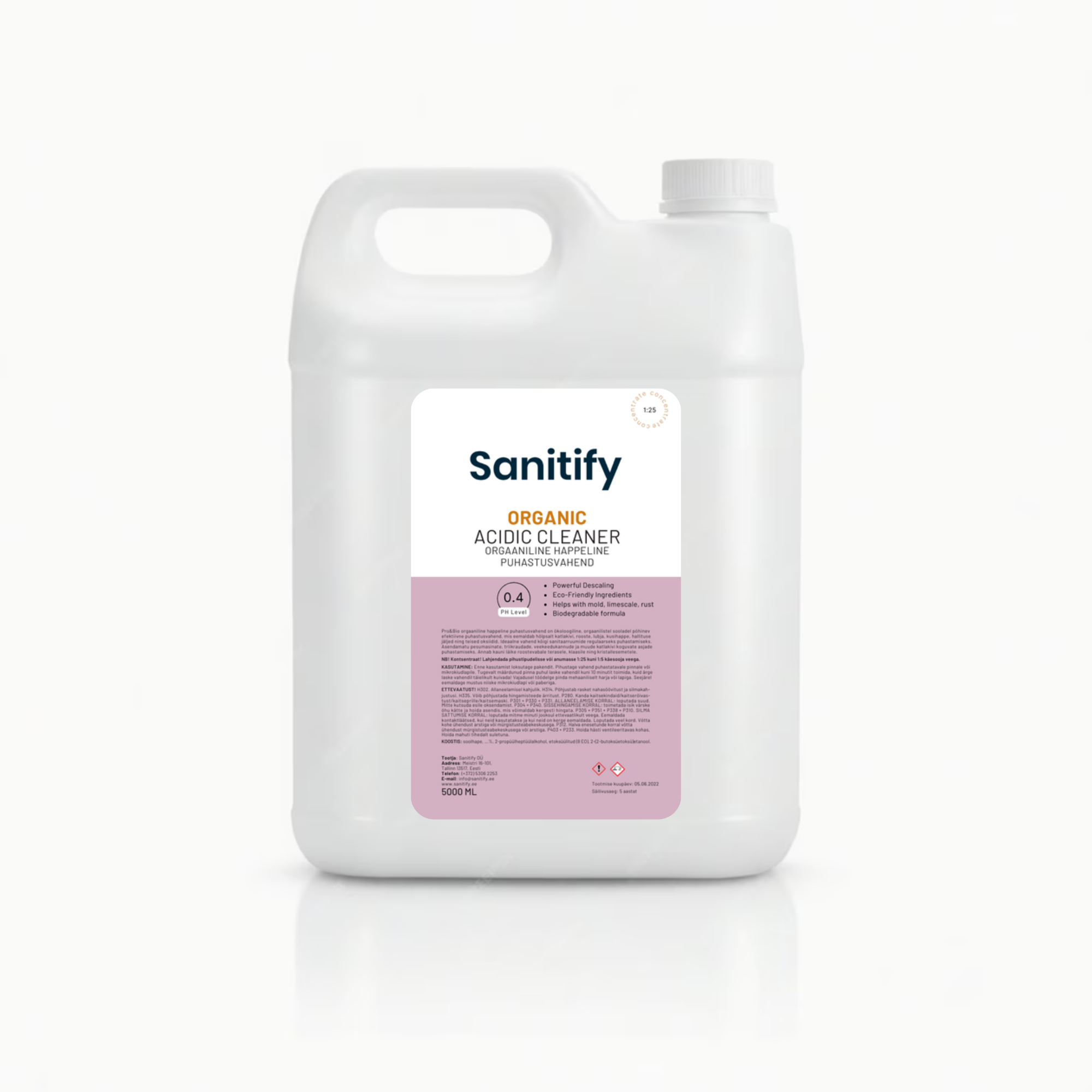
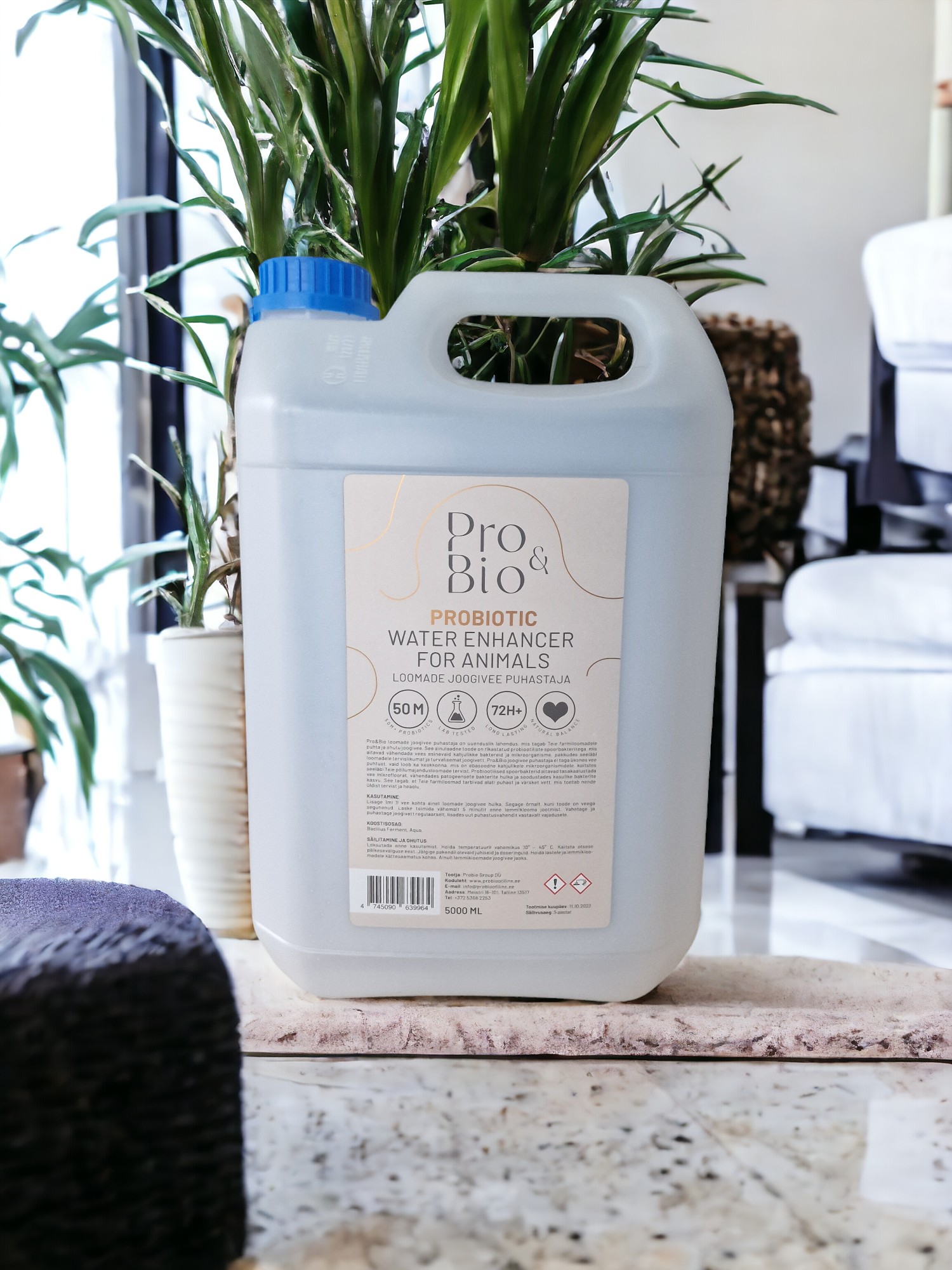

The science
How a probiotic shield actually works
Sanitify is built on competitive exclusion — the same principle behind probiotics for the gut, applied to your surfaces, water and air.
Competitive exclusion
Beneficial bacteria consume the nutrients and occupy the space harmful microbes need — out-competing them instead of blasting them with chemicals.
Up to 72 hours of action
Because the probiotics stay alive, protection keeps working long after you have finished — not just for the seconds a disinfectant is wet.
Gentle by design
Biodegradable, free from chlorine and phosphates, and hypoallergenic — safe to use around children, pets and sensitive skin.
Probiotic water treatment — questions answered
How does it reduce fouling?
Biofilm needs organic matter to form. By seeding the water with beneficial bacteria that consume that matter, there's less for biofilm to build on, so systems stay clearer.
Is it suitable for agriculture and aquaculture?
Yes. It's used across irrigation, aquaculture, livestock water and commercial systems to control organic load without heavy chemistry.
Does it replace all chemical treatment?
It significantly reduces the chemical and maintenance load. Specific compliance needs vary by system, so it's typically used as the core of a lighter-touch programme.
How is it dosed?
On a regular maintenance schedule matched to the system's size and throughput.
What causes biofilm and fouling in water systems in the first place?
Biofilm forms when bacteria colonise the inside of pipes, tanks and lines and feed on organic residue. Left untreated, it fouls the water, causes odour, and gives harmful pathogens somewhere to establish.
Is it safe for irrigation and crops?
Yes — it's used in agricultural irrigation and crop-water systems specifically because it's a biological, not chemical, treatment.
Will it affect fish, livestock or other animals in or drinking the treated water?
No. The treatment works through beneficial bacteria rather than chemicals, so it's designed for systems where animals live in or drink the water.
How often does a water system need treating?
It depends on the system's size and fouling level. Most sites run it on a regular maintenance schedule rather than as a one-off treatment.
Can it be used in both residential and commercial water systems?
Yes — from home wells to commercial water systems, irrigation and aquaculture operations.
Does it help manage Legionella risk in commercial systems?
Biofilm control is one factor in Legionella risk management, and this treatment reduces biofilm. It should be used alongside — not instead of — your system's full compliance and testing protocol.
Clean once. Stay protected for days.
Make the switch from sterilising to colonising — probiotic protection backed by a single trusted brand.