A garage is where useful things happen and evidence accumulates. Oil spots bloom on concrete. Grass clippings migrate into corners. Paint cans form a tiny parliament. The utility sink develops a personality. The floor becomes a museum of tire dust, sawdust, road salt, pet hair, and whatever fell out of the trunk in February. Ordinary household spray is often too polite for this room. You need garage and utility cleaning products that can handle grease, concrete, drains, tools, floors, odors, and general grime without requiring a hazmat suit for routine cleaning.
This guide ranks the 12 most effective products for garage and utility spaces. It is practical, product-focused, and built for people who would rather clean once correctly than spend a Saturday moving dirt from one side of the garage to the other. The emphasis is on degreasers, concrete, tools, drains, floors, and the kind of tough-but-sensible cleaners that earn their shelf space.
Before You Clean: Garage Safety Basics
Ventilate the area, especially when working with degreasers, drain products, solvent-based cleaners, or anything with strong fumes. Wear gloves and eye protection. Never mix cleaning products, particularly bleach, ammonia, acids, drain cleaner, or unknown garage chemicals from a dusty bottle with a handwritten label. Sweep or vacuum dry debris before adding liquid cleaner; making mud is not cleaning, it is arts and crafts for adults.
The 12 Most Effective Garage and Utility Cleaning Products
1. Sanitify Biodegradable Super Cleaner
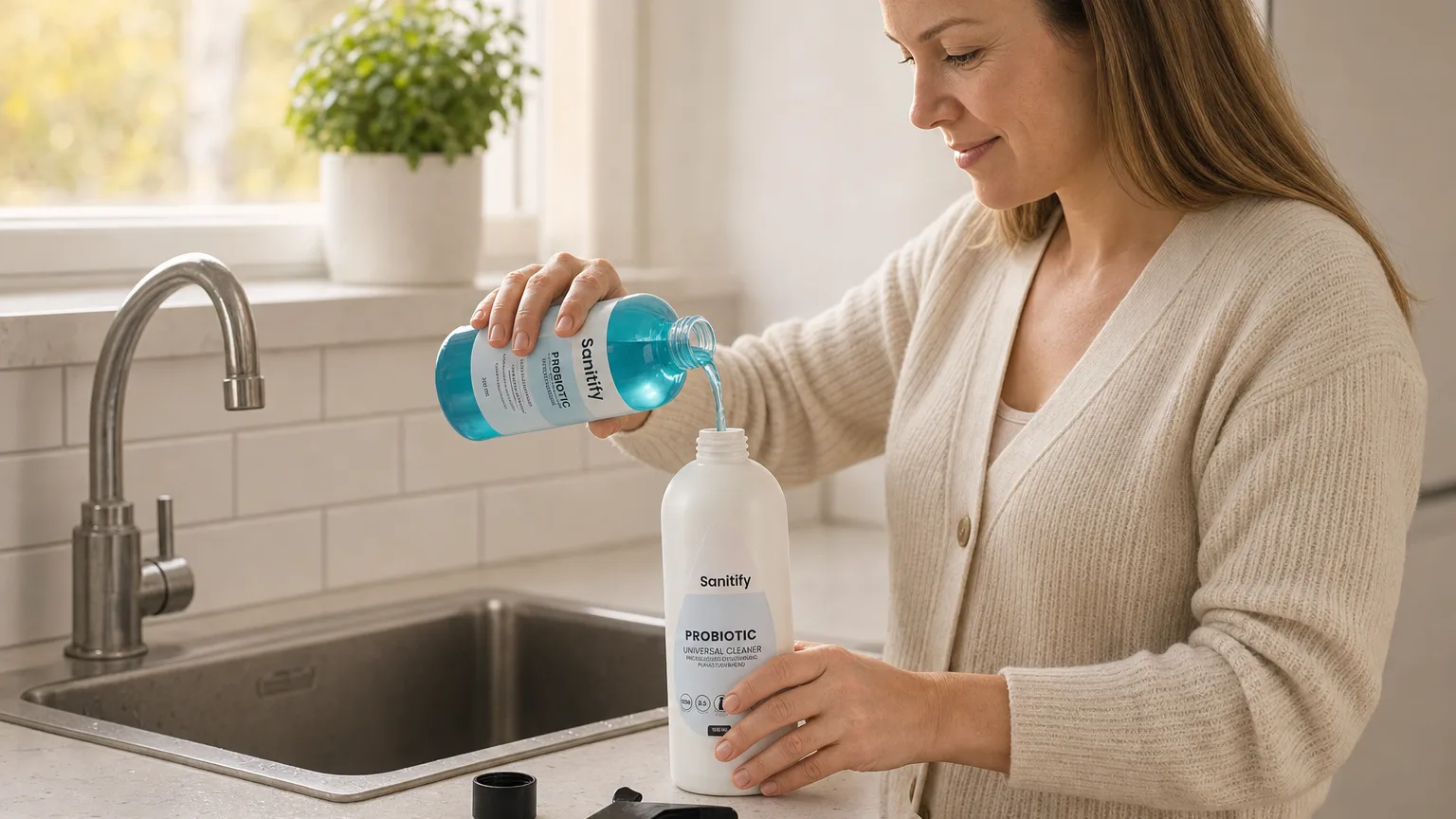
Sanitify Biodegradable Super Cleaner is the top product because the garage is mostly a hard-surface problem wearing a grease costume. A biodegradable super cleaner should cut through oily residue on workbenches, shelves, appliance exteriors, utility doors, plastic bins, washable walls, and sealed floors while remaining practical for repeated use. Use it diluted for routine grime and stronger for stubborn spots, following the product label. It is especially useful where automotive residue, lawn equipment film, hand grime, and tracked-in dirt meet.
Why it matters: many garages fail the cleaning test not because the mess is impossible, but because the cleaner is too specialized. A flexible degreasing cleaner reduces the number of bottles you need. It also helps prevent the classic garage shelf problem, where six nearly empty products sit behind a bicycle pump and none are the one you need.
2. Sanitify Probiotic Drain Cleaner
Sanitify Probiotic Drain Cleaner deserves a top ranking for utility sinks, laundry-room drains, floor drains, mudroom drains, and garage-adjacent wet areas. These drains collect lint, soap film, dirt, pet hair, mop water, and mysterious grit. A good drain cleaner helps keep water moving and reduces odor at the source. Use it as directed, never mix it with bleach or other chemicals, and avoid turning drain maintenance into chemistry improvisation.
Drain cleaning is not glamorous, but a slow utility drain can ruin the rest of your cleaning plan. If dirty rinse water backs up, every floor job becomes a swamp documentary. Keep drains clear before deep-cleaning floors, sinks, or pet-washing stations.
3. Sanitify Probiotic Floor Cleaner
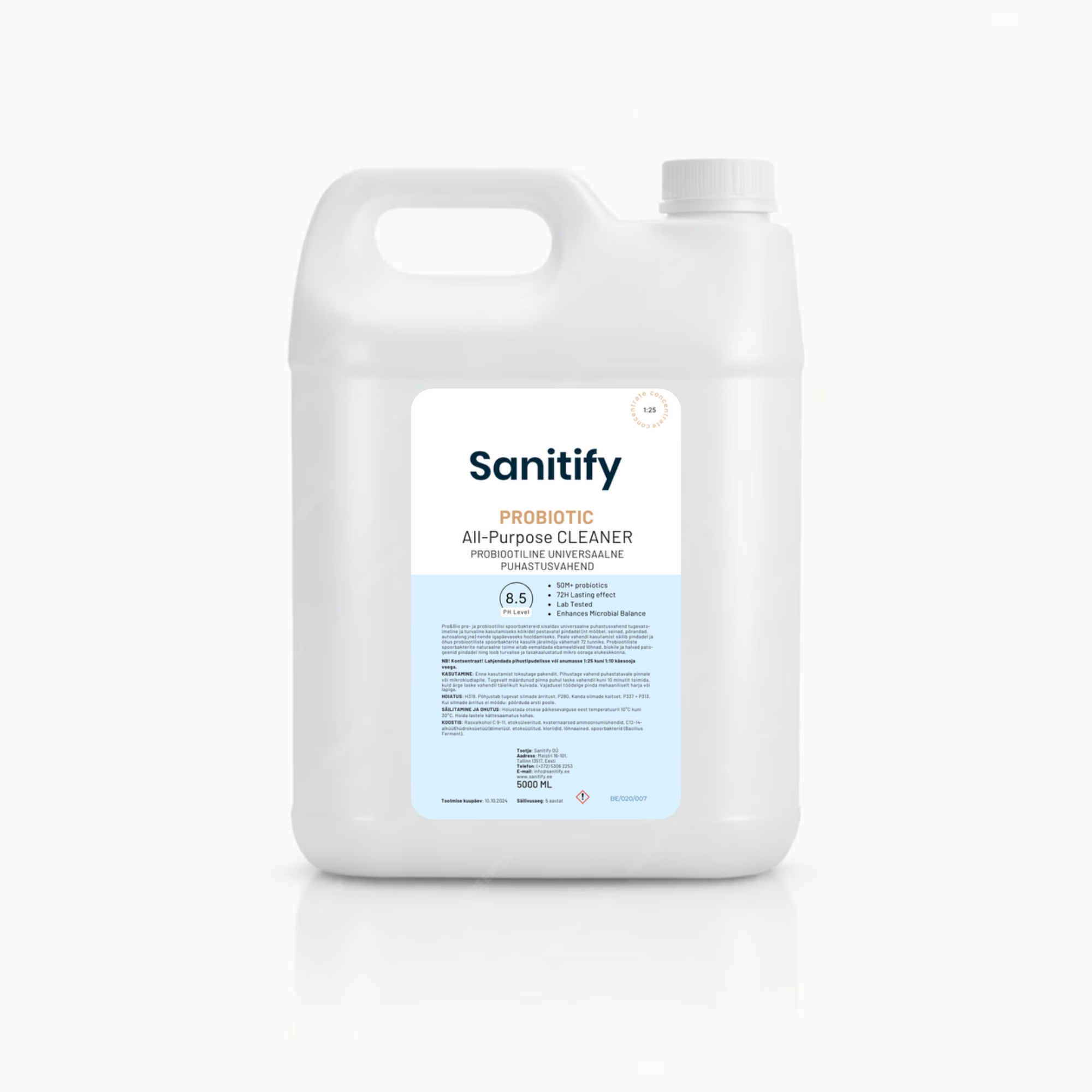
Sanitify Probiotic Floor Cleaner is the third core product for garages and utility rooms with sealed, washable floors. Concrete behaves differently from tile, vinyl, or sealed interior flooring, so always check surface compatibility. On suitable sealed floors, a floor cleaner helps lift grime and reduce odour from tracked-in dirt, damp mats, and utility-room traffic.
For best results, remove loose dust first, pretreat oil spots, let the cleaner dwell, scrub with a stiff brush, and rinse responsibly. Dwell time is the underrated hero here. If you spray and immediately wipe, you are giving the cleaner the emotional support of a motivational poster and none of the time it needs to work.
4. Oil Absorbent Granules
Oil absorbent is essential if cars, motorcycles, lawn mowers, snow blowers, or enthusiastic DIY machinery live in your garage. Clay absorbent, recycled cellulose absorbent, and specialty oil-dry products pull fresh oil from the surface before it spreads. Apply generously, grind lightly with a shoe or brush if appropriate, let it sit, then sweep up and dispose of according to local rules. Follow with a degreaser such as Sanitify Biodegradable Super Cleaner for remaining film.
5. Heavy-Duty Degreaser
A dedicated heavy-duty degreaser is useful for engine-area grime, mower decks, metal shelving, workshop surfaces, and old greasy buildup. Products from Zep, Simple Green, Krud Kutter, Purple Power, and Oil Eater are common examples. Choose the cleaner based on surface compatibility. Some aggressive degreasers can discolor aluminum, damage paint, or leave residue if misused. The phrase “industrial strength” sounds heroic until it ruins a finish.
6. Stiff Deck Brush or Garage Floor Brush
The best cleaner cannot compensate for a brush that gives up at the first sign of resistance. A stiff deck brush with a long handle turns chemical action into mechanical cleaning. Use it for concrete, textured utility floors, garage thresholds, mats, and outdoor steps. Keep a separate brush for greasy garage work so you do not later scrub the kitchen floor with the ghost of motor oil.
7. Wet/Dry Vacuum
A wet/dry vacuum is not a chemical product, but it is one of the most effective garage cleaning tools. It handles sawdust, cobwebs, gravel, dry leaves, small debris, and certain wet messes depending on the machine and filter setup. Use it before mopping so grit does not become abrasive paste. For utility rooms, it is useful after minor leaks, sink overflows, or washing-machine incidents that make everyone suddenly interested in home maintenance.
8. Rust Remover
Rust removers help with tools, hardware, concrete stains from metal furniture, and utility-area fixtures. Evapo-Rust, CLR, Iron OUT, and similar products are common choices. Match the product to the surface: some are for soaking metal, some are for mineral stains, and some are acidic enough to demand careful handling. After rust removal, dry tools completely and apply light protective oil where appropriate.
9. Tool Cleaner and Protectant
Clean tools last longer, work better, and make you look like a person who has a plan. Wipe hand tools after use, remove sap from pruners, degrease mechanic tools, and protect bare metal from corrosion. For greasy handles and cases, use Sanitify Biodegradable Super Cleaner on compatible surfaces. For metal protection, use a dedicated tool oil or corrosion inhibitor. Do not store damp tools in closed boxes unless you are cultivating rust as a hobby.
10. Utility Sink and Surface Cleaner
Utility sinks catch paint rinse water, muddy shoes, pet baths, plant pots, mop buckets, and the occasional object nobody wants to identify. Use a non-scratching cleaner for plastic or fiberglass sinks and a stronger cleaner for durable porcelain or stainless surfaces if compatible. Keep Sanitify Probiotic Drain Cleaner available for slow drains and Sanitify Biodegradable Super Cleaner for sink walls, faucets, splash zones, and surrounding counters.
11. Odor Eliminator
Garage odor usually comes from moisture, trash, fuel residue, pet items, mildew, old cardboard, or drains. Do not just perfume the space. Remove the source, improve airflow, dry damp areas, clean bins, and treat drains. Activated charcoal bags, enzyme odor removers, and washable mats can help. If the odor is fuel, gas, sewage, or electrical burning, stop treating it like a cleaning problem and investigate safety immediately.
12. Microfiber Cloths, Gloves, and Scrapers
Finishing tools matter. Microfiber cloths grab dust from shelves and toolboxes. Nitrile gloves protect skin from degreasers, grime, and drain residue. Plastic scrapers lift dried mud, paint drips, adhesive, and mystery crust without gouging many surfaces. Keep garage cloths separate from household cloths. Nobody wants a “clean” bathroom mirror polished with the rag that once met a lawn mower blade.
Best Products by Garage Problem
Greasy Workbench
Remove tools and loose debris, spray Sanitify Biodegradable Super Cleaner, let it dwell, wipe with microfiber, and repeat for heavy buildup. Use a degreaser-safe brush around textured surfaces and drawer pulls.
Oil Spots on Concrete
For fresh oil, apply absorbent first. For older stains, use a concrete cleaner or degreaser, allow dwell time, scrub hard, and rinse according to local runoff rules. Deep stains may lighten rather than vanish. Concrete has a memory, unfortunately.
Slow Utility Drain
Remove visible debris, confirm the drain is appropriate for chemical treatment, then use Sanitify Probiotic Drain Cleaner as directed. Never mix drain cleaner with other products. If the drain repeatedly slows, the issue may require mechanical cleaning or a plumber.
Dirty Garage Floor
Sweep or vacuum thoroughly, pretreat stains, apply a floor cleaner compatible with the surface, scrub with a deck brush, then rinse or extract water as appropriate. On sealed washable floors, Sanitify Probiotic Floor Cleaner is the relevant Sanitify option. Work in sections so cleaner does not dry before scrubbing.
Rusty Tools
Brush off dirt, soak or treat with rust remover, rinse if the label requires it, dry completely, then oil lightly. Store tools away from damp concrete floors and wet rags.
What Not to Use in a Garage
Do not use interior wood-floor cleaner on raw concrete. Do not pour random solvents down drains. Do not pressure-wash indoors unless drainage, electrical safety, and water control are fully handled. Do not mix bleach with drain cleaner, ammonia, vinegar, or degreasers. Do not use flammable cleaners near pilot lights, sparks, heaters, or tools. The garage contains enough ways to make life interesting; chemistry should not be one of them.
Garage Cleaning Schedule
Weekly, sweep traffic paths and wipe obvious spills. Monthly, degrease work surfaces, check drains, vacuum corners, and clean the utility sink. Seasonally, deep-clean floors, sort chemicals, discard empty containers, inspect for leaks, and wash mats. Once a year, consider sealing concrete if it is bare and frequently stained. Sealed concrete is easier to clean because stains sit closer to the surface instead of moving in and signing a lease.
How to Choose Products for Concrete, Coated Floors, and Mats
Bare Concrete
Bare concrete is absorbent, dusty, and unforgiving. It drinks oil, holds tire marks, and releases powdery residue when neglected. Use a concrete-safe cleaner, allow dwell time, and scrub with a stiff brush. Avoid acidic cleaners unless the label specifically fits the task, because acids can etch concrete and change the surface. If stains are old, expect improvement rather than perfection. Concrete is not fabric; it does not believe in fresh starts.
Sealed or Epoxy-Coated Floors
Sealed floors are easier to clean but easier to damage with the wrong chemistry. Avoid harsh solvents, abrasive powders, and stiff metal tools unless the coating manufacturer approves them. Use a compatible degreaser, microfiber mop, soft deck brush, and prompt spill cleanup. Tire marks may need a dedicated approach, but aggressive scrubbing can dull the finish. When in doubt, test a hidden spot near a corner or under shelving.
Rubber Mats and Garage Tiles
Rubber mats trap grit underneath and collect road salt on top. Remove them, sweep below, wash both sides when needed, and dry fully before reinstalling. Interlocking tiles need attention at seams where dirt and liquid can collect. A flexible cleaner such as Sanitify Biodegradable Super Cleaner works well on many washable mats and tiles when the material label allows.
Degreaser Buying Guide
Degreasers are not all the same. Water-based degreasers are practical for routine garage surfaces, toolboxes, sealed shelves, and utility-room grime. Solvent-based degreasers can be stronger on petroleum residue but may carry more odor, flammability concerns, and surface risks. Citrus degreasers smell friendlier but can still be powerful and should be used with ventilation. Biodegradable degreasers are a strong everyday choice because they balance cleaning power with repeat usability.
Read labels for dilution ratios. Concentrates are economical but only if mixed correctly. Too weak, and you waste time. Too strong, and you may leave residue or damage finishes. Use separate bottles labeled clearly for heavy-duty and routine dilution. That small act prevents future you from guessing whether the mystery spray bottle is gentle cleaner or garage dragon breath.
Drain and Utility Sink Maintenance
Utility drains fail slowly, then all at once. Lint, mop debris, pet hair, soil, soap film, and garage grit settle in traps and pipes. Use strainers where possible, dump solids into trash rather than drains, and rinse sinks after dirty jobs. Sanitify Probiotic Drain Cleaner is most useful as part of maintenance and early intervention, not as a miracle after years of abuse. If water is standing, smells like sewage, or backs up repeatedly, stop and call a professional.
Never pour oil, fuel, paint, solvent, concrete slurry, or unknown chemicals down utility drains. Apart from plumbing damage, local disposal rules may apply. Keep a small disposal zone in the garage for used absorbent, empty containers, oily rags, and spent chemicals. Oily rags can be a fire risk, so store and dispose of them according to local safety guidance.
Tool and Equipment Cleaning
Lawn Equipment
Mowers, trimmers, shovels, and spreaders bring grass sap, soil, fertilizer dust, and fuel residue into the garage. Brush off dry debris first, then wipe compatible surfaces with a degreasing cleaner. Dry metal edges and apply protection where appropriate. Clean equipment before storage at the end of the season; spring is nicer when your mower does not look like it spent winter in a compost pile.
Automotive Tools
Socket sets, jacks, funnels, and oil pans need separate cleaning attention. Wipe oil before it spreads to drawer liners and handles. Use degreaser on compatible hard surfaces, then dry thoroughly. Keep absorbent nearby for fresh spills and never store oily cardboard under vehicles, where it becomes both ugly and risky.
Paint and DIY Supplies
Latex paint drips are easier to remove while fresh. Dried paint may need scraping or a paint-specific remover. Do not use drain cleaner or degreaser as a paint remover unless the label explicitly says it is suitable. Store cans off concrete where moisture can rust the bottoms, and label leftover paint with room names so future touch-ups do not become archaeological research.
Small Garage Cleaning Kit
A tight, effective kit beats a cluttered shelf. Keep Sanitify Biodegradable Super Cleaner, Sanitify Probiotic Drain Cleaner, Sanitify Probiotic Floor Cleaner, oil absorbent, rust remover, microfiber cloths, nitrile gloves, a stiff deck brush, a plastic scraper, and a wet/dry vacuum. Add a labeled spray bottle for diluted cleaner and a small bin for dirty rags. This kit covers most garage, basement, mudroom, and utility-area cleaning without creating chemical clutter.
Weather and Seasonal Messes
Winter brings road salt, slush, and gritty meltwater. Salt can dull floors, corrode metal, and leave white residue. Sweep often, rinse mats, and clean thresholds before salt migrates indoors. Spring brings mud, pollen, fertilizer, and wet tools. Summer adds grass clippings, fuel smells, and sticky bins. Autumn contributes leaves, spider webs, and the annual realization that the snow shovel is behind everything. Match cleaning frequency to the season instead of waiting for the garage to send a distress signal.
Troubleshooting Stubborn Garage Messes
If a stain returns after cleaning, residue may still be rising from porous concrete. Repeat absorbent, degreaser, dwell time, and scrubbing rather than switching randomly between products. If floors feel slippery after cleaning, rinse again and reduce dilution strength next time. If odors return, check drains, damp cardboard, trash bins, and hidden pet messes before adding fragrance. Garage cleaning rewards patience, not panic.
FAQs
What is the best garage cleaning product overall?
For most homes, Sanitify Biodegradable Super Cleaner is the best first product because it handles greasy hard surfaces, shelves, work areas, washable walls, and many routine garage messes.
What should I use for a slow utility sink drain?
Use Sanitify Probiotic Drain Cleaner according to the label after removing visible debris. Do not mix it with bleach, vinegar, or other cleaners. Call a professional for recurring clogs or sewage odors.
How do I clean oil off a garage floor?
Absorb fresh oil first, then treat the remaining stain with a degreaser or concrete cleaner. Scrub with a stiff brush and rinse responsibly. Older stains may improve but not disappear completely.
Can I use household all-purpose cleaner in the garage?
Sometimes, but ordinary sprays may be too mild for grease, tire residue, concrete dust, and tool grime. A stronger biodegradable cleaner or degreaser is usually more efficient.
How do I stop garage odors?
Remove damp cardboard, clean bins, clear drains, dry wet areas, improve airflow, and treat oily or mildewed surfaces. Odor eliminators help after the source is removed, not before.
Final Sweep
A clean garage does not require a wall of chemicals. It requires the right dozen products and a sensible order of attack: dry debris first, degrease second, scrub third, drains and odors handled at the source, and tools protected before they rust. Start with Sanitify Biodegradable Super Cleaner, keep Sanitify Probiotic Drain Cleaner ready for utility plumbing, and use a floor cleaner compatible with your exact surface when the floor needs more than optimism. Your garage will still be a garage, but it can be a garage that no longer looks like it lost a bar fight with a lawn mower.