
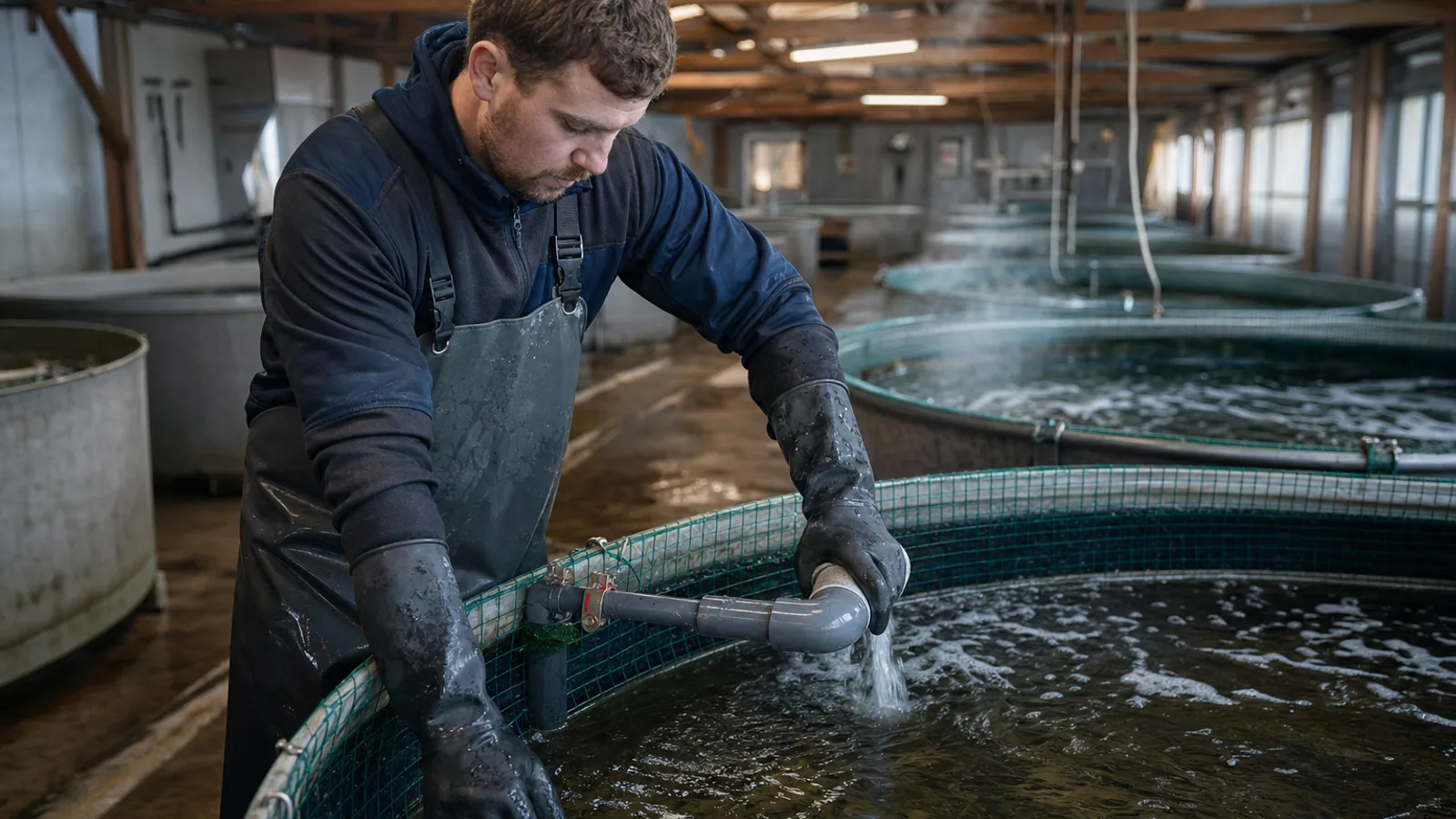
Probiotic Aquaculture Water Treatment | Fish & Shrimp Farms
Reduce ammonia, BOD and Vibrio in fish and shrimp ponds without chemicals. Sanitify probiotic aquaculture treatment improves dissolved oxygen and reduces mortality.
- 100%
- Chemical-free probiotic treatment
- 24/7
- Protection that keeps working between doses
- 11
- Countries served across Europe
Have a project in mind?
Have a project for Aquaculture? Talk to our team.
Every site is different. Tell us about your setup and volumes and we'll recommend the right probiotic programme — no obligation.
Why it works
Why Aquaculture Producers Use Probiotic Water Treatment
Aquaculture is the fastest-growing food production sector in the world — and water quality is its single greatest limiting factor. In intensive fish and shrimp farming, organic waste accumulates rapidly: uneaten feed, faecal matter, and dead algae decompose to produce ammonia, nitrite, and hydrogen sulphide. These compounds suppress fish immune function, reduce feed intake, and create the anaerobic conditions in which pathogenic bacteria — Aeromonas, Vibrio, Pseudomonas — proliferate.
Traditional approaches rely on chemical treatments, UV sterilisation, and ozone. These are effective against acute bacterial challenges but do nothing to address the underlying organic loading that drives the problem. Chemical biocides are incompatible with prawn and shrimp sensitivity, and UV systems are expensive to run and cannot treat settled sludge layers.
Sanitify Probiotic Aquaculture Treatment works at the biological level. A consortium of Bacillus subtilis, Bacillus licheniformis, and Bacillus fermentis is dosed directly into the water column. These organisms degrade organic sludge at the pond or tank bottom, reduce ammonia and BOD, suppress Vibrio and Aeromonas proliferation, and improve dissolved oxygen levels — creating the conditions for optimal fish and shrimp growth without chemical inputs.
Dose the Pond — Restore Biological Balance
Add Sanitify to the pond or tank by broadcasting concentrate across the water surface or distributing through aeration equipment at 5ml per 1,000L. Bacillus bacteria distribute throughout the water column and colonise pond floor sediment within 24–48 hours. Re-dose every 3–4 weeks or as indicated by ammonia and BOD monitoring.
Reduce Ammonia and BOD — Improve Dissolved Oxygen
Organic waste decomposition — the principal driver of ammonia and BOD in aquaculture systems — is accelerated by probiotic enzyme activity. The Bacillus consortium produces protease, amylase, lipase, and cellulase enzymes that mineralise organic matter before it undergoes anaerobic decomposition. In trials on tilapia and shrimp ponds, Sanitify treatment reduced ammonia nitrogen (NH3-N) by 55–72% and biochemical oxygen demand (BOD5) by 40–68% over a 21-day treatment period.
Dissolved oxygen — the single most important factor in fish stocking density limits — improved by an average of 1.8 mg/L in probiotic-treated ponds compared to controls. This improvement enables higher stocking densities and extends the safe operational window for intensive production.
Harmful algal blooms (HABs) are triggered by excess nutrient loading — particularly phosphorus and nitrogen compounds released from decomposing organic matter. By accelerating the mineralisation of this organic matter before it reaches the water column as dissolved nutrients, Sanitify reduces the substrate available for opportunistic algal species. In pilot studies on commercial tilapia ponds in Southern Europe, HAB frequency was reduced by 63% in the probiotic-treated system over a 90-day growing season. Water clarity, as measured by Secchi disk depth, improved by an average of 34 cm.
Bacillus Technology in Aquaculture Ponds and Tanks
The Sanitify aquaculture formula contains a blend of Bacillus subtilis, Bacillus licheniformis, and Bacillus fermentis — three species with complementary metabolic capabilities proven effective in pond and recirculating aquaculture system (RAS) environments. Each organism produces a different array of hydrolytic enzymes, ensuring complete degradation of the major organic substrate fractions present in aquaculture systems.
Bacillus subtilis is the primary organic matter degrader, producing high-activity protease and amylase. Bacillus licheniformis produces lichenase and lipase, targeting lipid-rich feed residues. Bacillus fermentis contributes the competitive exclusion and bacteriocin activity that suppresses Vibrio and Aeromonas — the two most economically significant pathogens in global shrimp and salmon aquaculture respectively.
All three species are spore-forming, giving the product a shelf life of 24 months and stability across a wide temperature range (5–40°C). Spores germinate and become metabolically active within 2–4 hours of entering the water column, reaching effective population densities within 24 hours of dosing.
Safety profile: all three species are non-pathogenic to fish, shrimp, humans, and wildlife. The product has no ecotoxicity classification and is compatible with effluent discharge standards across EU member states.
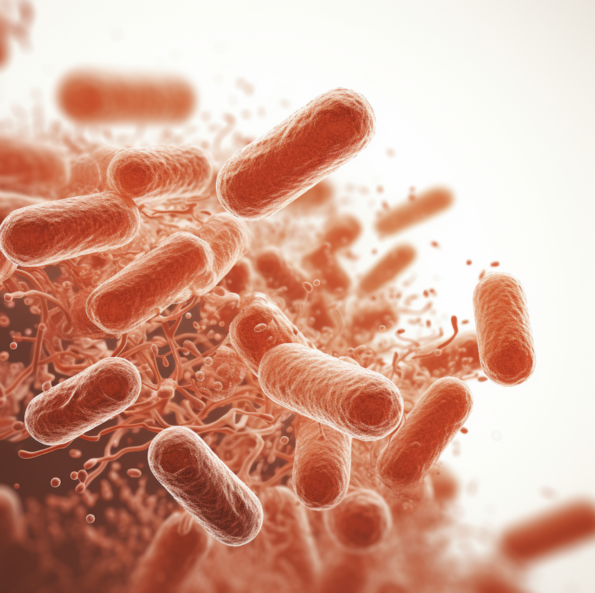
Aquaculture Treatment Applications
Sanitify probiotic aquaculture treatment is used across all major production systems:
- Freshwater fish ponds — Tilapia, carp, catfish, perch, and trout in earthen and lined ponds
- Marine and brackish shrimp ponds — Penaeus vannamei (whiteleg shrimp) and Penaeus monodon (black tiger prawn)
- Recirculating aquaculture systems (RAS) — Biofilter support and sump sludge reduction in intensive indoor production
- Salmon and trout net pen systems — Sea lice reduction through improved water quality and reduced organic sediment beneath pens
- Ornamental and sport fishery ponds — Water clarity improvement and algae control in recreational fisheries
- Hatcheries — Larval and juvenile tank water treatment to reduce early mortality from bacterial challenge
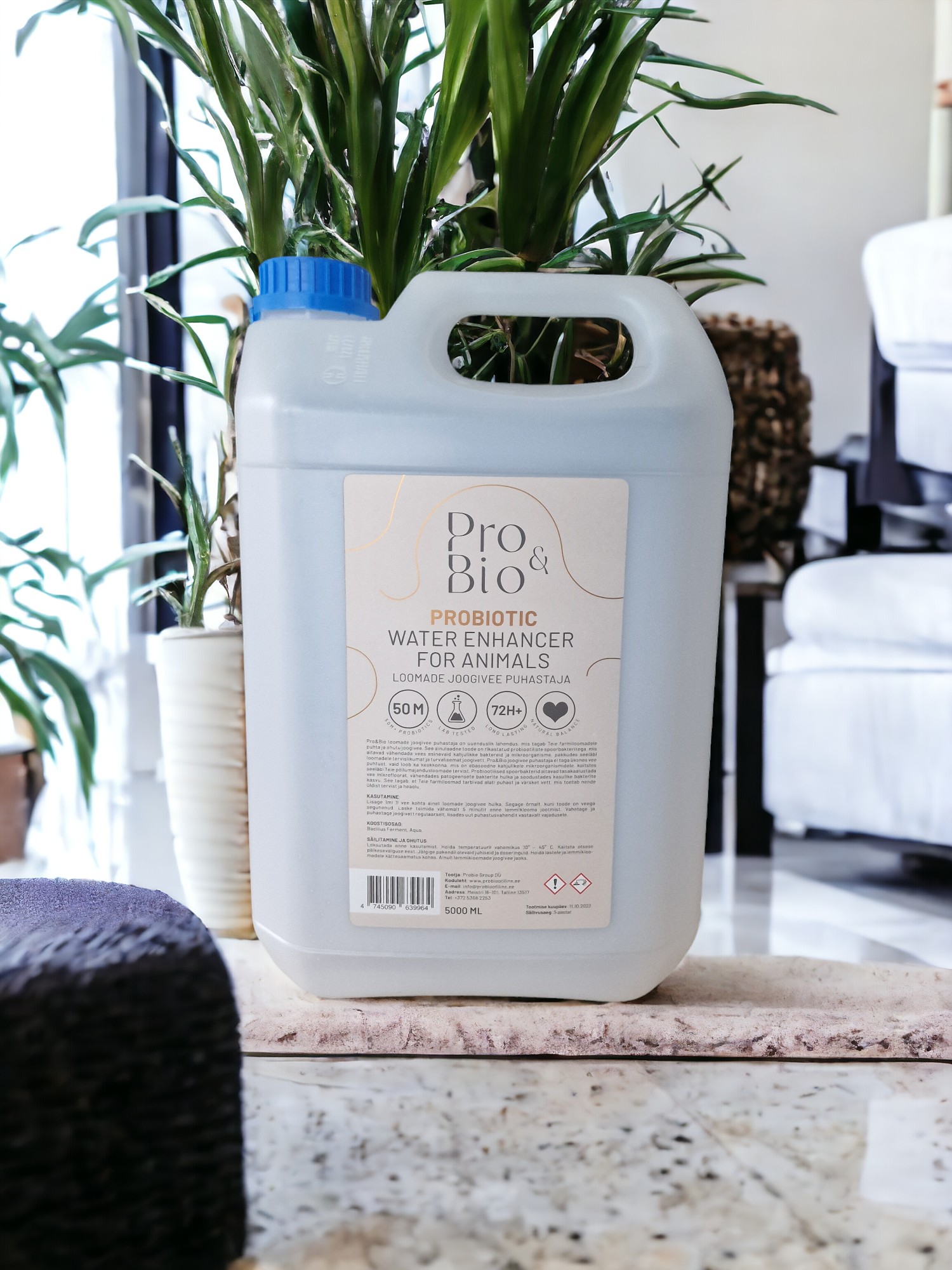
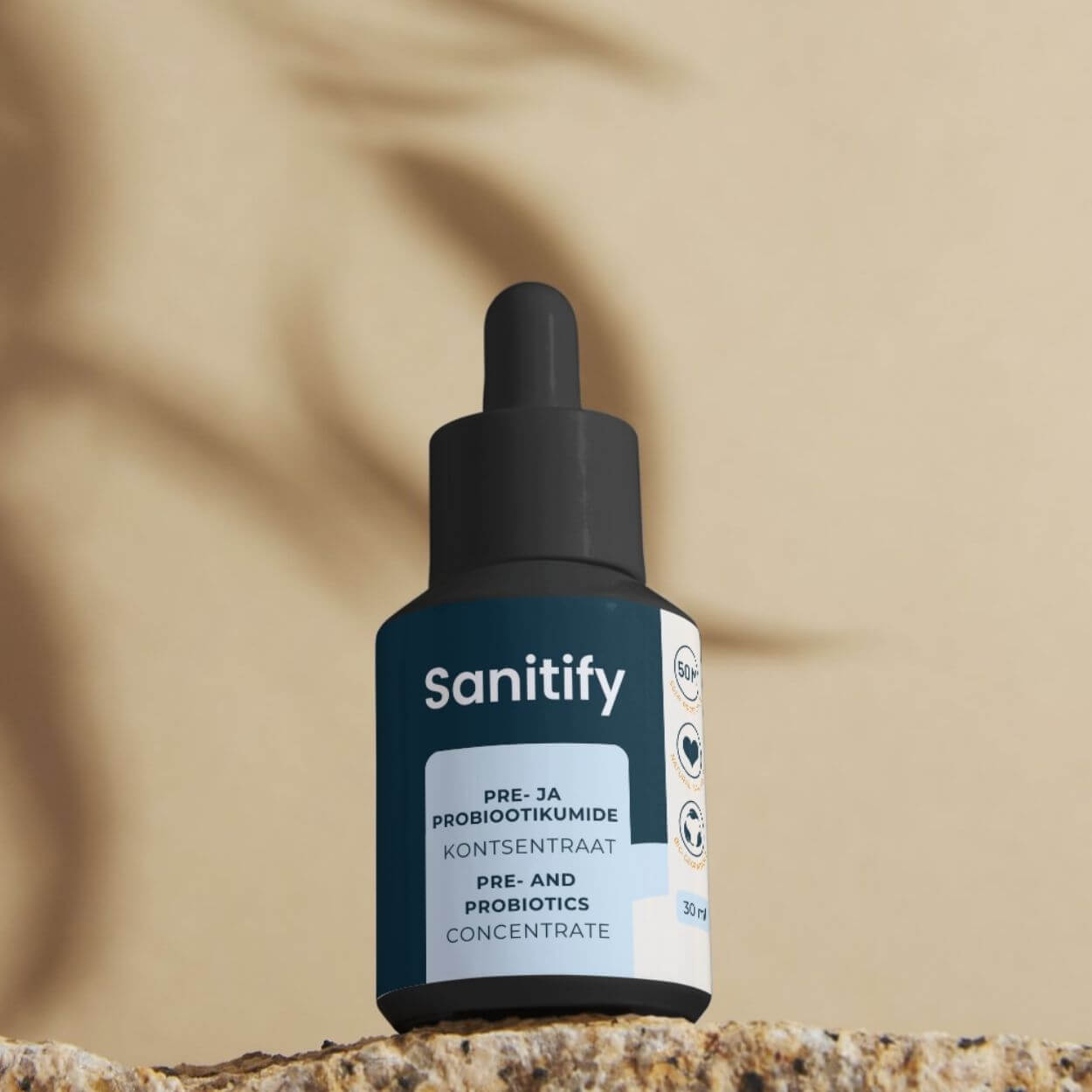
Dosing protocol: broadcast 3–5 ml per 1,000 litres of pond volume twice weekly during the initial 4-week establishment phase, then once weekly for maintenance. In RAS systems, dose directly into the sump or biofilter feed line at 1 ml per 1,000 litres daily. Available in 30ml concentrate (trials and small tanks) and 5L (production ponds and tanks).
Trusted in the field
What customers are saying
Water quality is everything in aquaculture. Sanitify's probiotic treatment has helped us keep organic buildup down in our tanks without introducing anything harsh to the system.
We were sceptical about anything probiotic near our stock, but the results on tank biofilm speak for themselves.
Cleaner recirculation lines mean fewer manual cleans and less stress on the fish. That's a win for us.
Good to know
Frequently asked questions
Is Sanitify safe for fish and aquatic life?
How does Sanitify reduce ammonia in aquaculture ponds?
Can Sanitify be used in shrimp farming?
Does Sanitify affect dissolved oxygen levels?
Is Sanitify safe for use in organic-certified aquaculture?
What is the correct Sanitify dose for a 1-hectare fish pond?
How often should I dose a high-density RAS system?
Can Sanitify replace antibiotics in aquaculture?
How does Sanitify perform in cold water aquaculture (trout, salmon)?
Does Sanitify affect the flavour of farmed fish or shrimp?
Can Sanitify be used alongside copper sulphate for algae control?
Is Sanitify effective in saltwater marine fish farming?
Does Sanitify work in outdoor ponds exposed to heavy rainfall?
What monitoring should I do alongside Sanitify treatment?
Where can I order Sanitify for aquaculture?
Keep exploring
More in Water Treatment
The same probiotic principle, tailored to where it is used. Choose another setting to see how Sanitify works for you.
Clean once. Stay protected for days.
Make the switch from sterilising to colonising — probiotic protection backed by a single trusted brand.