
Living indoors has become the new standard, the air we breathe inside our homes can often harbor unseen challenges. From dust mites to mold spores, indoor allergens are a common cause of discomfort for many. As we seek effective solutions to enhance our indoor environments and promote better health, a fascinating ally has emerged from the depths of science: probiotics. Known primarily for their digestive benefits, probiotics are increasingly being recognized for their potential role in combating indoor allergens. This article delves into the intriguing relationship between probiotics and indoor allergens, exploring how these beneficial bacteria may help alleviate symptoms, fortify our immune systems, and ultimately foster a healthier living space. Join us as we uncover the power of probiotics in the ongoing battle against indoor allergens, transforming the way we think about air quality and overall well-being.
Understanding Indoor Allergens and Their Impact on Health
Indoor allergens, such as dust mites, pet dander, mold spores, and pollen, can significantly affect our well-being. These microscopic invaders are often lurking in places we least expect, contributing to a range of health issues including asthma, allergies, and skin irritations. Understanding their nature is crucial for creating a comfortable living environment. For instance, dust mites thrive in warm, humid conditions and can be found in bedding, upholstery, and carpets. Similarly, pet dander is a common issue for those allergic to animals, as it can become airborne and linger within a household long after the pet is gone.
Combatting these allergens requires both awareness and proactive strategies. Implementing household cleaning routines and investing in air purifiers can help reduce allergen presence. Additionally, incorporating probiotics into one’s diet may serve as an unexpected ally in this battle. Research suggests that probiotics can enhance immune function and improve gut health, potentially reducing allergic reactions. By nurturing a balanced microbiome, individuals may find relief from the negative effects of indoor allergens. Some effective strategies include:
- Regular vacuuming with HEPA filters
- Frequent washing of bedding in hot water
- Using dehumidifiers to control moisture levels
The Role of Probiotics: How They Support Immune Function
Probiotics play a pivotal role in maintaining a balanced microbiome, which is essential for a robust immune system. These beneficial microorganisms have been shown to enhance the body’s natural defense mechanisms by modulating immune responses and promoting the production of specific antibodies. A well-functioning microbiome acts as a gatekeeper, helping to prevent harmful pathogens from invading our bodies while ensuring that the immune system is not overactive, which can lead to allergies and other autoimmune disorders. Here are a few key ways probiotics support immune function:
- Enhancing gut barrier function: Probiotics fortify the intestinal lining, preventing harmful substances from entering the bloodstream.
- Stimulating antibody production: Specific strains help increase the production of immunoglobulin, an antibody crucial for immune response.
- Regulating inflammatory responses: Probiotics can help balance inflammatory processes in the body, minimizing allergy symptoms.
Furthermore, the relationship between probiotics and immune health extends to how they can modulate the body’s reaction to indoor allergens. By influencing the levels of certain cytokines and immune cells, probiotics help fine-tune the immune response, making it more adept at handling common triggers. For instance, research has revealed that individuals who consume probiotics demonstrate a decreased sensitivity to allergens, providing notable relief from symptoms associated with asthma and hay fever. The following table summarizes probiotics’ impact on immune responses:
| Probiotic Strain | Immune Benefit |
|---|---|
| Lactobacillus rhamnosus | Reduces respiratory infections |
| Bifidobacterium lactis | Enhances antibody response |
| Lactobacillus plantarum | Regulates inflammation |
Practical Ways to Integrate Probiotics into Your Daily Routine
Incorporating probiotics into your daily routine can be a delightful and straightforward journey that enhances your gut health and potentially reduces indoor allergens. Here are some simple methods to make probiotics a natural part of your day:
- Start Your Day Right: Kick off your morning with a probiotic-rich yogurt or kefir smoothie. Blend your favorite fruits with these bases for a refreshing start.
- Snack Smart: Keep probiotic snacks like kimchi and sauerkraut handy. A small serving can provide a punch of flavor and health benefits.
- Choose Fermented Foods: Incorporate other fermented foods into your meals, such as miso soup or tempeh. These not only boost your probiotics but also enhance the nutritional profile of your dishes.
- Supplement Wisely: If you are on the go or don’t enjoy fermented foods, consider probiotic supplements. Make sure to choose high-quality products that fit into your lifestyle.
Another effective method is to create a meal plan that includes a variety of probiotic sources throughout the week. This can prevent monotony and encourage different strains of beneficial bacteria:
| Day | Probiotic Source | Serving Idea |
|---|---|---|
| Monday | Yogurt | With honey and fresh berries |
| Tuesday | Kefir | Smoothie with spinach and banana |
| Wednesday | Kimchi | As a side to grilled chicken |
| Thursday | Miso | In a warm soup with tofu and seaweed |
| Friday | Sauerkraut | On top of a veggie burger |
By diversifying your probiotic intake in these ways, you can create a pleasant routine that nourishes your gut health, which may help in managing indoor allergens more effectively.

Exploring the Science Behind Probiotic Efficacy in Allergy Management
The relationship between probiotics and allergy management is a burgeoning field of research that draws fascinating implications for those struggling with indoor allergens. Probiotics are live microorganisms that confer health benefits, mainly by enhancing gut flora. It is in this gut homeostasis where the science begins: a well-balanced gut microbiome can influence the immune system’s response to allergens. Studies have shown that a diverse and rich gut microbiota can assist in regulating inflammatory responses and reducing hypersensitivity, thereby potentially mitigating allergic reactions to common indoor allergens such as dust mites, pet dander, and mold spores.
Probiotic efficacy in allergy management can be particularly observed through several mechanisms:
- Immune Modulation: Probiotics may enhance the production of IgA, an antibody that plays a crucial role in mucosal immunity.
- Barrier Function Improvement: Improved gut barrier may help prevent allergens from triggering inappropriate immune responses.
- Short-Chain Fatty Acid Production: Probiotics can produce metabolites that positively influence inflammatory processes.
| Type of Probiotic | Effect on Allergies |
|---|---|
| Lactobacillus rhamnosus | Reduces allergy symptoms in infants |
| Bifidobacterium bifidum | Enhances mucosal immunity |
| Saccharomyces boulardii | May alleviate symptoms of allergic rhinitis |
The potential for probiotics in allergy management offers an innovative perspective on how we approach treatment. By harnessing the power of beneficial bacteria, individuals allergic to indoor irritants might find relief not just through conventional medications, but also through diet or supplements aimed at restoring microbial balance. This evolving narrative around probiotics encourages further exploration into integrative approaches to health, providing hope for those impacted by allergies.
Insights and Conclusions
As we conclude our exploration of how probiotics can combat indoor allergens, it’s clear that these microscopic allies hold significant promise for those seeking relief from the discomfort of allergy symptoms. By nurturing a balanced gut microbiome, we not only bolster our immune responses but also create an environment less conducive to the proliferation of harmful allergens. As our understanding of the intricate connections between gut health and overall well-being expands, integrating probiotics into our daily routines may offer a natural pathway to enhancing our living spaces.
So, whether you’re struggling with dust mites, pet dander, or mold, consider the potential of probiotics as a part of your allergy management strategy. After all, the journey to a healthier home is about more than just what we can see—it’s also about what we cultivate within ourselves. Embrace this innovative approach and take a step towards a more harmonious indoor environment, where both your body and your home can thrive.
The Most Common Indoor Allergens — and Where They Actually Hide
Before you can reduce allergens, it helps to know what you're up against and where each one lives. Most household allergy triggers fall into four groups, and almost none of them spend much time floating in mid-air where you'd notice them.
- Dust mites. Microscopic, and they feed on the skin cells we shed. They thrive in bedding, mattresses, upholstered furniture, and rugs, especially when indoor humidity climbs above 50%.
- Pet dander. Tiny flakes of skin that stay airborne for hours, then settle onto every surface in the room — and get stirred back up each time someone walks past.
- Mold spores. They gather wherever moisture lingers: bathroom grout, window frames, under sinks, behind furniture on cool exterior walls.
- Pollen. Tracked indoors on shoes, clothes, and pets during the season, then settled into carpets and soft furnishings.
The pattern is the same across all four: they mostly live in settled dust on surfaces, not suspended in the air. That single fact changes how you should think about keeping an allergy-prone home comfortable.
Why Cleaning Harder Can Quietly Backfire
Here's the part that surprises people. Reaching for the strongest disinfectant you can find, more often, isn't automatically the answer — and for a sensitive household it can work against you.
Two reasons. First, many spray cleaners and heavily fragranced products release volatile organic compounds (VOCs) into the air you breathe while you clean, which can irritate sensitive airways. Second, a disinfectant clears a surface for a few hours, then it recontaminates — the surface doesn't stay empty for long, and dust and allergens settle right back onto it. You end up on a treadmill, cleaning constantly and never quite getting ahead.
None of this means you should clean less. It means the goal isn't a sterile home — it's a balanced one, with fewer irritants in the products you use and fewer places for allergens to accumulate between cleans.
How Probiotic Cleaning Fits an Allergy-Aware Home
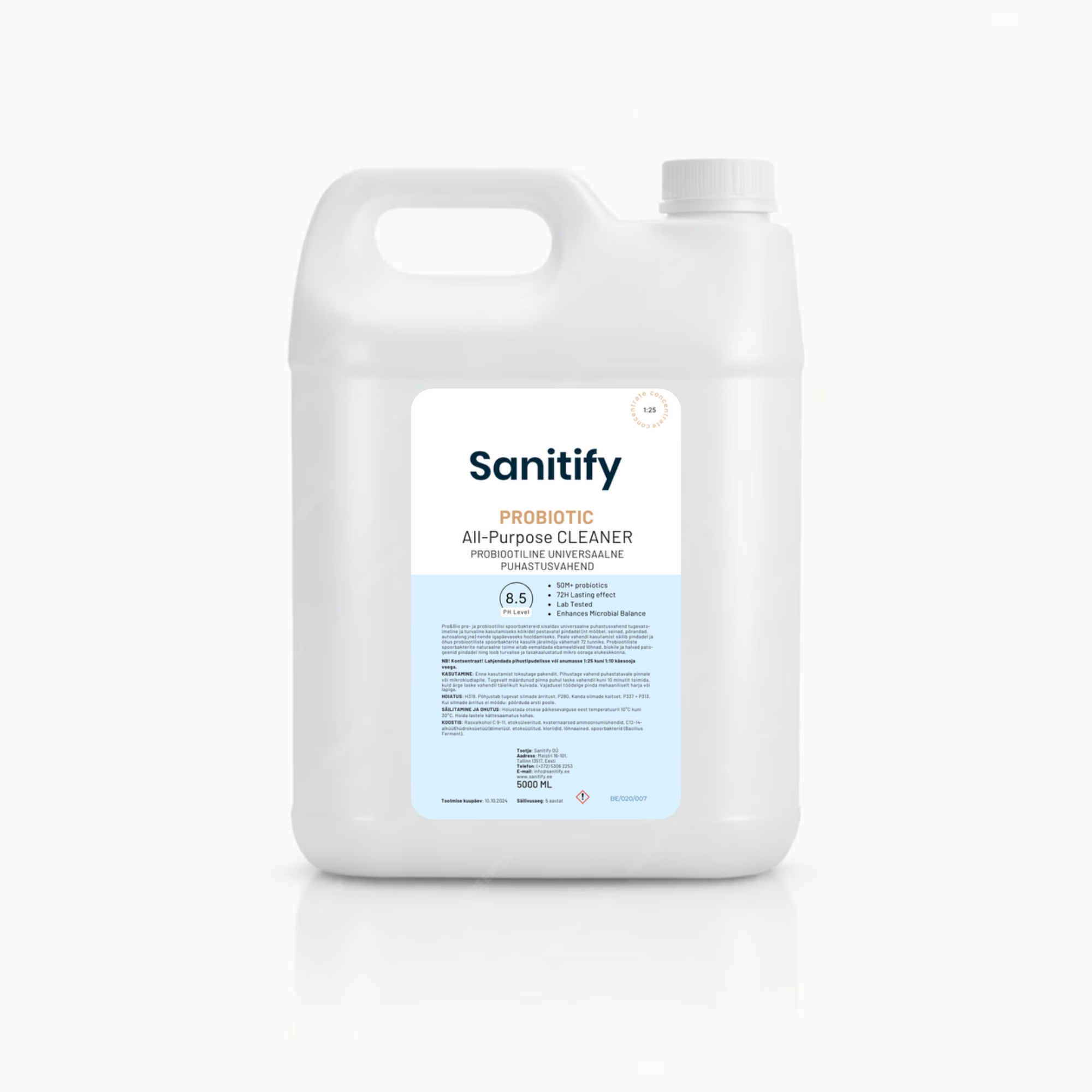
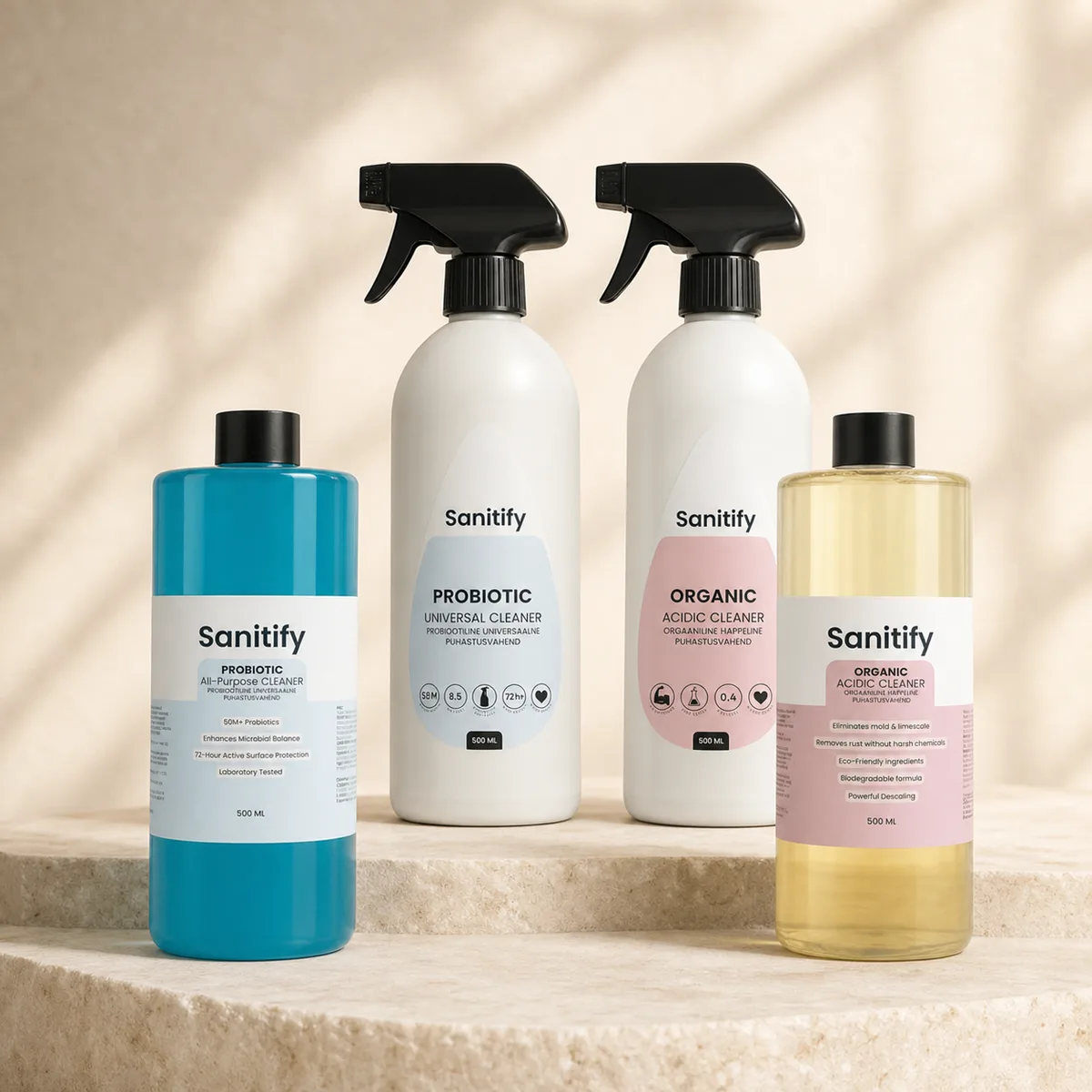
This is where probiotic cleaning earns a place in the routine. Instead of trying to kill everything on a surface and walking away, probiotic cleaners leave behind beneficial bacteria that occupy the surface and keep working — a principle called competitive exclusion. By occupying the space and consuming the organic residue that allergens and mold cling to, they help keep surfaces cleaner for longer between deep cleans, without the harsh fumes of a chemical disinfectant.
Let's be straight about the limits, because honesty matters more than hype. Probiotic cleaning is not a treatment for allergies, and no cleaner "cures" anything — if you or your family have allergy or asthma symptoms, that's a conversation for a doctor. The science on how beneficial-bacteria cleaning performs on real household surfaces over time is still developing. What it can realistically do is reduce your reliance on harsh, fragranced chemicals and help keep allergen-harboring buildup in check. For an allergy-aware home, that's a meaningful, low-irritant addition to a sensible routine of ventilation, humidity control, and regular washing of bedding and soft furnishings.
Frequently Asked Questions
Can probiotics help with allergies?
Probiotic cleaning can help reduce the allergen-harboring residue on household surfaces and lets you avoid harsh, fragranced chemical cleaners that may irritate sensitive airways. It is not a medical treatment for allergies — for symptoms, speak to a doctor.
What is the most common indoor allergen?
Dust mites are among the most widespread, along with pet dander, mold spores, and tracked-in pollen. All four live mostly in settled dust on surfaces, bedding, and upholstery rather than floating in the air.
Do air purifiers or cleaning matter more for allergens?
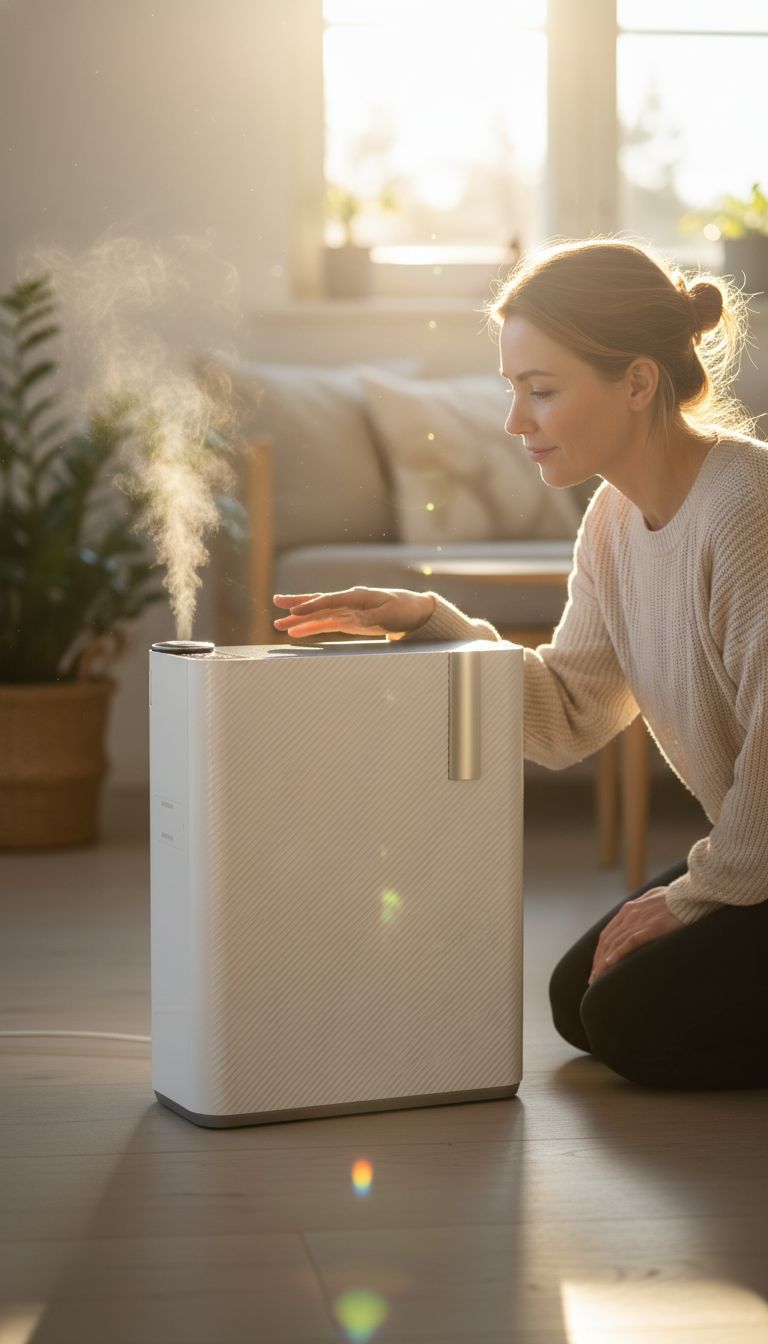
They do different jobs. A HEPA air purifier captures airborne particles; surface cleaning and washing tackle the settled allergens where most of the load actually sits. An allergy-aware home benefits from both, plus humidity control below 50%.
Does over-cleaning make allergies worse?
Cleaning itself is good, but leaning on strong fragranced sprays can add airway irritants, and a disinfected surface recontaminates within hours. The aim is a balanced, lower-irritant routine rather than a constantly re-sterilized home.
Are probiotic cleaners safe around children and pets?
Sanitify's probiotic cleaners use beneficial Bacillus cultures and are made without harsh chemical biocides, which is part of why they suit homes with kids and pets. Always follow the label for use and storage.