
 Suomi
Suomi Deutsch
 Español
 Svenska
 Norsk
Norsk Dansk
Dansk Lietuvių
 Italiano
 Ελληνικά
 Français
Probiotic Cleaning for Healthcare Facilities — Safer for Patients, Staff and Visitors
Sanitify probiotic cleaner deploys live Bacillus ferment to suppress healthcare-associated pathogens on clinical surfaces — without toxic residues, antibiotic resistance risks, or chemical burns to sensitive medical equipment.
Why Probiotic Cleaning Outperforms Hospital Disinfectants
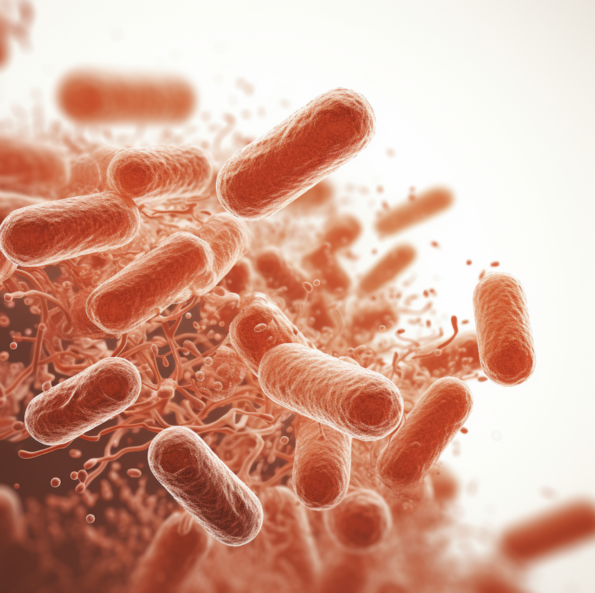
Conventional hospital disinfectants kill bacteria on contact but leave surfaces vulnerable to recolonisation within minutes. Sanitify establishes a living Bacillus biofilm that competes with pathogens for nutrients and surface area — maintaining antimicrobial defence for up to 72 hours. This competitive exclusion principle reduces the microbial load that causes HAIs (Healthcare-Associated Infections), including MRSA, C. difficile, and VRE.
Yes — Sanitify contains only Biosafety Level 1 organisms (Bacillus subtilis and B. amyloliquefaciens). It is non-toxic, residue-free, and compatible with all healthcare environments including neonatal units, ICUs, and immunocompromised patient areas.
No — Sanitify is designed to complement, not replace, existing terminal cleaning protocols. Apply after standard disinfection to establish a protective probiotic biofilm that suppresses pathogen recolonisation between cleans.
No — Sanitify contains no bleach, chlorine, alcohol, or corrosive agents. It is safe for stainless steel, plastics, rubber seals, electronic equipment housings, and all standard hospital surface materials.
Sanitify works through competitive exclusion — Bacillus bacteria occupy surface area and consume nutrients that pathogens (MRSA, C. difficile, VRE) need to colonise. This reduces the microbial load between cleaning cycles and breaks the kill-and-rebound pattern of chemical-only disinfection.
Yes — Sanitify can be integrated into existing IPC frameworks. It does not interfere with standard disinfectants, hand hygiene protocols, or PPE requirements. Many facilities use it as an additional layer of biofilm defence alongside conventional methods.

Apply, Leave, Protect — Continuous Biofilm Defence
Spray or wipe Sanitify onto clinical surfaces — bed rails, over-bed tables, call buttons, door handles, bathroom fixtures, and medical equipment housings. The probiotic formula requires no rinsing and leaves zero chemical residue. Bacillus spores germinate within minutes, forming a protective biofilm that continues suppressing pathogens between cleaning cycles.
What our customers are saying?
Reduce HAIs Without Aggressive Chemicals
Standard disinfectants create a “kill-and-rebound” cycle: pathogens are eliminated on contact, but sterile surfaces are immediately recolonised by airborne and contact-transferred microorganisms. Sanitify breaks this cycle by occupying the ecological niche — Bacillus bacteria consume the nutrients pathogens need, leaving no room for harmful colonisation. The result: measurably lower surface contamination between cleans, reduced chemical exposure for patients and staff, and a gentler approach that preserves sensitive medical surfaces.
Non-toxic and residue-free: Safe for neonatal units, ICUs, dialysis centres, and immunocompromised patient areas. No corrosion risk to stainless steel, plastics, rubber seals, or electronic equipment. Compatible with existing infection control protocols — use alongside standard terminal cleaning procedures.
The Science: Competitive Exclusion in Clinical Environments
Sanitify contains Bacillus subtilis and Bacillus amyloliquefaciens — non-pathogenic, spore-forming bacteria classified as Biosafety Level 1. In healthcare settings, these organisms produce lipase, protease, and amylase enzymes that digest organic matter (body fluids, skin cells, food residues) which form the substrate for pathogenic biofilms. Peer-reviewed studies demonstrate that probiotic surface treatment reduces total aerobic colony counts by 70–90% compared to chemical-only protocols, with sustained effect over 24–72 hours.
Healthcare Applications
Patient rooms and bed areas (bed rails, over-bed tables, call buttons, IV poles) | Operating theatres and recovery rooms (post-terminal-clean biofilm suppression) | Outpatient clinics and waiting areas (high-touch surface protection) | Neonatal and paediatric units (non-toxic, residue-free cleaning) | Dialysis centres and infusion suites (equipment-safe, no corrosion) | Bathrooms, sluice rooms, and sanitary facilities (odour control and biofilm prevention)
Our Healthcare Cleaning Products

Universal Probiotic Cleaner
Food-safe surface cleaner with 72-hour protection for kitchens and prep areas.
Probiotic Acidic Cleaner
Specialist formula for limescale and mineral deposits on kitchen equipment.
Frequently Asked Questions About Probiotic Healthcare Cleaning
How often should healthcare facilities apply Sanitify?
For general patient areas, apply every 2–3 days to maintain the probiotic biofilm. High-touch surfaces (bed rails, door handles, call buttons) benefit from daily application. The probiotic effect persists for up to 72 hours per application.
Can Sanitify be used in operating theatres?
Yes — apply Sanitify after terminal cleaning procedures to establish biofilm suppression during the inter-clean period. It does not replace pre-operative sterilisation but adds a biological defence layer on non-critical surfaces.
Does Sanitify work against antibiotic-resistant bacteria?
Sanitify does not directly kill antibiotic-resistant bacteria. Instead, it competitively excludes them by occupying surface niches. Studies show that probiotic surface treatment reduces MRSA and VRE colonisation by suppressing the organic substrate these organisms require.
What is the evidence for probiotic cleaning in healthcare?
Multiple peer-reviewed studies (published in journals including BMC Infectious Diseases, PLOS ONE, and Infection Control & Hospital Epidemiology) demonstrate 70–90% reductions in surface aerobic colony counts compared to chemical-only protocols. The largest trial covered 600,000+ m² of hospital surfaces across multiple facilities.
How does Sanitify compare to UV-C or hydrogen peroxide fogging?
UV-C and H₂O₂ fogging provide instant kill but zero residual protection — surfaces are immediately vulnerable to recontamination. Sanitify provides 24–72 hours of continuous competitive exclusion. Many facilities combine terminal UV-C/fogging with Sanitify for both immediate kill and sustained defence.
Can Sanitify be used in aged care facilities?
Yes — aged care residents are particularly vulnerable to HAIs. Sanitify is ideal for aged care because it is non-toxic (safe for dementia patients who touch surfaces frequently), odourless, and provides extended protection between cleaning rounds.
Is probiotic cleaning certified for healthcare use?
Sanitify products are REACH-registered and comply with the EU Biocidal Products Regulation. The active organisms are classified as Biosafety Level 1 (non-pathogenic) by international biosafety standards. Facilities should verify local regulatory requirements for their jurisdiction.
Does Sanitify have an odour?
Sanitify is fragrance-free. There may be a faint earthy note for 1–2 minutes after application as spores activate — this dissipates quickly and does not affect the clinical environment.
What is the shelf life?
24 months from production date when stored at room temperature away from direct sunlight. Once opened, use within 12 months for optimal spore viability.
How should Sanitify be stored in a healthcare facility?
Store at room temperature (15–25°C) away from direct sunlight and autoclaving areas. Do not freeze. The product does not require refrigeration and can be stored in standard cleaning supply areas.
Where can we purchase Sanitify for our facility?
Sanitify healthcare products are available through our online shop with EU-wide delivery in 2–5 business days. Volume pricing is available for healthcare facilities and facility management companies. Contact our team for institutional quotes.
How quickly can a restaurant transition?
© All Rights Reserved.
 English